


The PC market is in shambles these days, and it's so bad that you don't have to be an enthusiast builder to feel the effects of RAM and storage shortages. Heck, even my less-tech-savvy parents are asking what's going on.
Last week, I wrote a lengthy analysis about the RAM crisis and when it might end, and I came up with answers that no one wants to hear.
It essentially boils down to the global supply of DRAM being so short and the demand for AI datacenters being so high that it will likely take until 2028 to see any easing at all, while more pessimistic views extend the crisis into the 2030s.
I mentioned that I wasn't explicitly calling out collusion on the part of the three big DRAM producers who control 90% of the world's supply, but I might have been wrong.
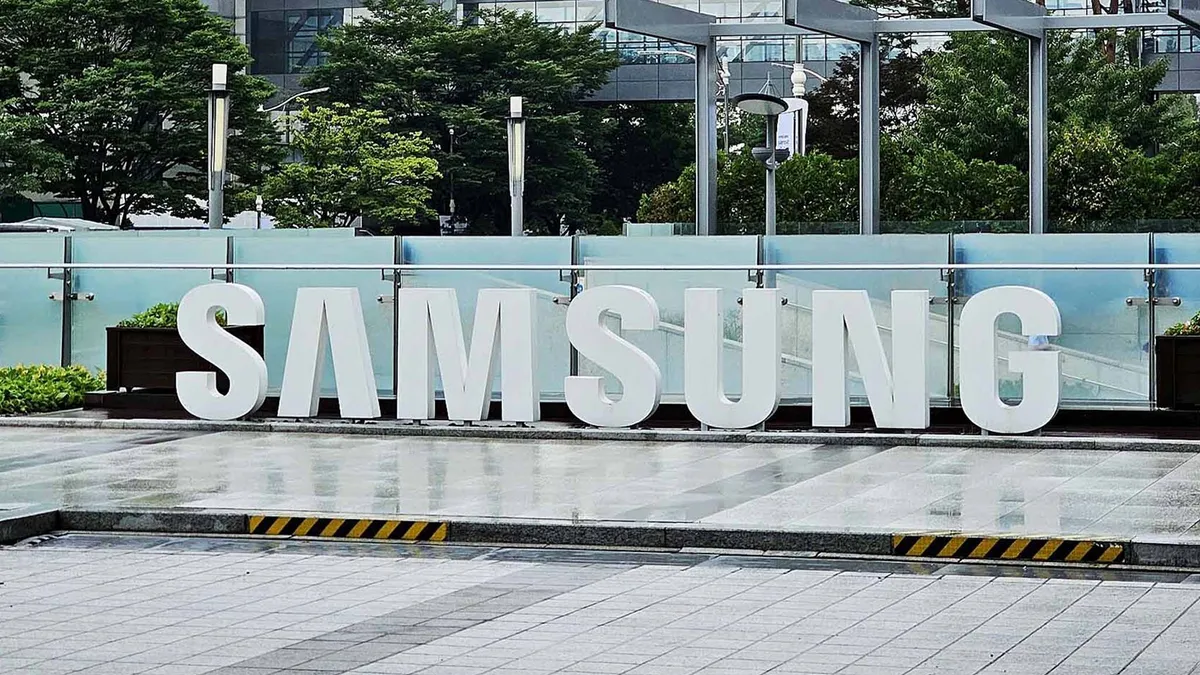
Samsung, SK hynix, and Micron are facing a class-action California federal lawsuit alleging that they've been deliberately fixing prices and squeezing supply to drive up costs for regular consumers like you and me.
The lawsuit, reported by Law360 (via VGC), accuses the three memory makers of working together to reduce production of DDR3 and DDR4 memory while at the same time dialing their DDR5 production towards High Bandwidth Memory (HBM) that's used in AI data centers.
Citing the ongoing "RAMpocalypse," the lawsuit alleges that the "DRAM oligopolists" raised prices "with mind-blowing scale and rapidity." The lawsuit has been filed by a "class of individual and business consumers."
The three companies make almost all the world's supply of dynamic random access memory and have since 2022 fixed the supply and prices for DRAM, driving the price up some 700% over the past four years, according to the complaint filed by a proposed class of individual and business consumers.
Lauren Berg (Law360)
The lawsuit's argument is fairly straightforward. A healthy market with actual competition would see increased supply alongside rising prices. If RAM gets more expensive, it makes sense for RAM manufacturers to produce more in order to capture demand and undercut each other.
That isn't currently happening. The lawsuit alleges that the three big DRAM companies all moved in the same direction at the same time, and prices kept rising. Hard to argue with that claim.
The suit also says that "consumer purchasers of conventional DRAM and devices incorporating it have paid supracompetitive prices and have otherwise suffered the impacts of a distorted market crippled by the behavior of DRAM oligopolists." Again, I can't argue with that.
Why this lawsuit matters for regular PC users ... and practically everyone else

The global DRAM crisis isn't just affecting PC builders. Memory prices affect practically every device out there, and it's becoming increasingly difficult to find any shelter from the storm.
For example, Xbox just announced last week that it's raising console prices. Apple announced it's raising MacBook prices. Valve's Steam Machine costs $1,049, whereas it should have probably made its debut somewhere around $700. Surface PC prices went up a few weeks ago. I could go on.
None of these price increases happened just 'cause, and the lawsuit indeed argues that artificially constrained DRAM supply is a significant part of the reason.
Can any new DRAM makers challenge the current oligopoly?

The lawsuit also raises concerns regarding how insulated the three big DRAM producers have become over time. Building even one DRAM fabrication plant costs billions of dollars and takes years, never mind the expertise required to keep one running.
Although Chinese DRAM manufacturers like CXMT and YMTC are slowly picking up Steam, export and supply controls imposed by the US don't help the situation.
The result? It's almost impossible for anyone to step in and compete with the big three manufacturers.

The DRAM oligopoly has been in legal trouble before
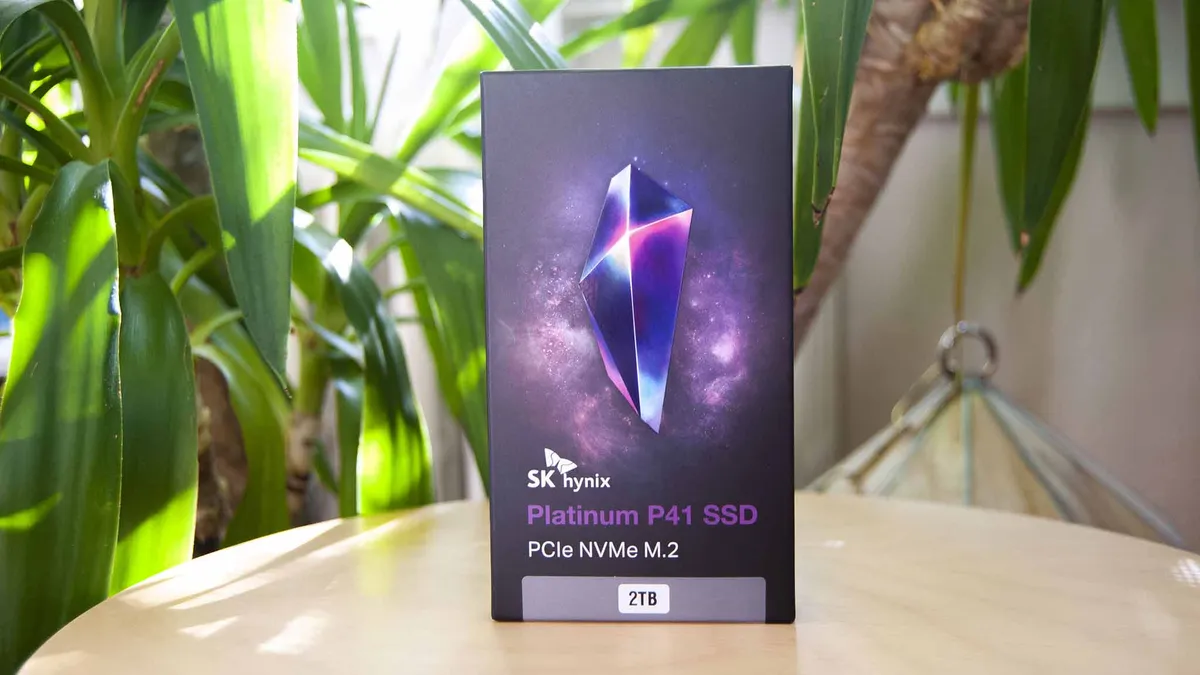
As noted in the lawsuit filing, Samsung, SK hynix, and Micron are not strangers to DRAM price fixing.
Samsung and SK hynix were accused by the US Department of Justice of price fixing between 1998 and 2022. Samsung ended up paying a $300 million fine, while SK hynix paid a $185 million fine.
Micron managed to avoid a similar fine after it reported "the conspiracy" and cooperated with officials.
It's well worth pointing out that nothing has been proven in court regarding this new lawsuit. As far as I can see, none of the three companies has offered a public statement, either.
Do you think Samsung, SK hynix, and Micron have indeed been conspiring to keep RAM prices high? Or is it just a lucky coincidence? Let me know what you think in the comments section below!

Join us on Reddit at r/WindowsCentral to share your insights and discuss our latest news, reviews, and more.

