Microsoft is yet to confirm plans for Windows 11 version 27H2, but that doesn't mean we don't yet know anything about it. Thanks to information supplied by Microsoft about Windows 11 version 26H1 and 26H2, we can read the tea leaves and begin to decipher what Microsoft's plans are for its OS in 2027.
First up, we must set the stage for Windows 11 currently. For the first time ever, Microsoft has split the Windows userbase in two. Most Windows 11 users will continue to receive OS updates that are based on the Germanium platform release, which powers version 24H2, version 25H2, and the new version 26H2.
Germanium has been in the market since 2024, and is what the majority of Windows 11 users are running today. That will no longer be the case with version 26H1, which is the first version of Windows 11 since 2024 to ship on a new version of the Windows platform. This new version is codenamed Bromine, and exists exclusively for Snapdragon X2 and RTX Spark devices.
That means version 26H1 and the newer Bromine platform release will not be made available to the existing Windows 11 userbase this year. Microsoft doesn't say why, but my sources tell me this is because Bromine only really exists because of timing convenience. These new Arm chips required extra kernel level work, and it was easier for Microsoft to build those into a new platform release than it was to retroactively fit the Germanium platform release with these additions.
Because of this, Microsoft hasn't made any optimizations to the Bromine platform release for existing PCs. While you can run Bromine on existing hardware if you want, there is no benefit in doing so. As a result, Microsoft chose to keep the majority of Windows users in the platform release that has been shipping since 2024, and split off the new Snapdragon X2 and RTX Spark PCs with their own platform release.
That does mean there's going to be some awkward fragmentation between version 26H1 and version 26H2 throughout 2026 and into 2027, however. Microsoft has confirmed that because version 26H1 is based on a newer platform release than version 26H2, those running 26H1 are not eligible for the version 26H2 release.
The company does say that this won't be the case forever, and that Windows 11 users running version 26H1 will be updated to something newer in the future. According to my sources, that will be version 27H2 in 2027, which will be the first platform release since 25H2 to be offered to the entire Windows 11 userbase.
Release date
As is almost always the case, Microsoft tends to ship new versions of Windows in the second half of the year. I anticipate this will remain the case for version 27H2, which will likely target a September or October release window.
Because version 27H2 is likely to introduce a new platform release, Microsoft will use a measured and phased rollout approach to its general availability. That means not all users will see the update right away once it's made available, as Microsoft will choose to roll it out in waves to ensure the update is installing as intended.
It will also be a full blown OS upgrade release, and not just an enablement package. That means it will replace the entire OS with a new version, while maintaining all your apps, files and settings. This takes a little longer than an enablement package release, which only updates a few OS files to enable the new version.
Windows 11 version 22H2 was a fill blown OS upgrade release over 21H2, as was version 24H2 over 23H2. So this wouldn't be the first time this has happened.
Platform changes
We know that the version 27H2 release will need to be based on a newer platform release than Germanium to support upgrading both 26H2 and 26H1 users. What we don't yet know is what platform release this will be. It's possible that Microsoft could use the Bromine platform release for 27H2, though I think this is unlikely.
I think Microsoft will issue a platform release that's newer than Bromine. Given the timing, I suspect it may be the Windows Strontium platform release, which is expected to be finalized sometime in the first half of 2027. This would align with Microsoft's previous development schedules.
For example, Germanium was finalized in the first half of 2024, and ended up shipping as version 24H2 in the second half of that year. With Strontium expected to be finalized in the first half of 2027, I would wager the same will happen then for version 27H2.
Microsoft has announced that the next version of Windows will drop support for the Snapdragon 850 SoC. While not confirmation on its own, it's a strong hint that version 27H2 will be powered by a newer platform release than Bromine, given the Snapdragon 850 can still run Bromine-based builds.
New features?
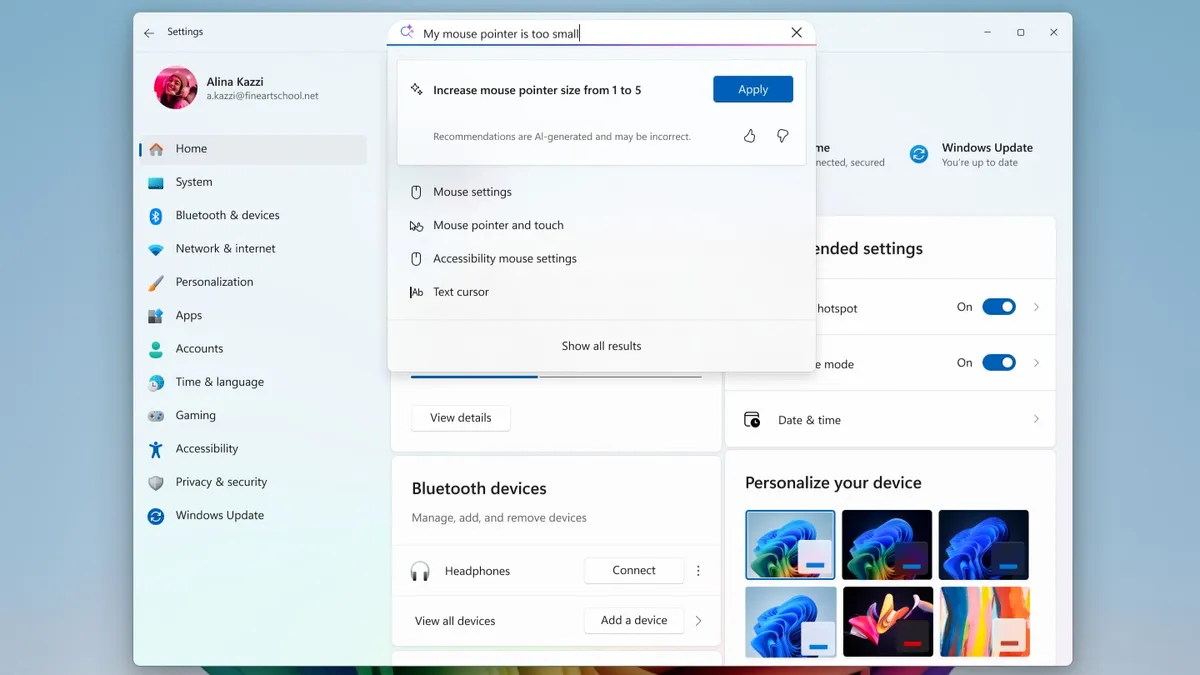
Because of Microsoft's "Continuous Innovation" effort, the company no longer ties new features to version updates. These days, Windows 11 receives new features whenever the company deems them ready to ship, meaning there's no features in active development that are expected to be exclusive to version 27H2 currently, though that could change in the future.
In fact, most mainline feature development still takes places on the Germanium codebase, then is forward integrated into newer codebases when ready. This is why new features often arrive on version 25H2 and 26H2 first, and then come to 26H1 later, as 26H1 is built on a newer Windows platform.
Windows 12?
Of course, the age old question is whether or not the next version of Windows will be dubbed Windows 12. The answer is we don't know, and likely won't know until much closer to the time.
Even if Microsoft does debut Windows 12 next year, that doesn't mean Windows 11 version 27H2 wouldn't also exist. When Windows 11 version 21H2 debuted, Windows 10 still received its own 21H2 version that same year.
With all that in mind, I don't think we're going to see Windows 12 in 2026. Given the current versions of Windows 11 are split between two platform releases, it would be irresponsible and complex from a support perspective to leave the userbase in that state.
It would make the upgrade path from Windows 11 to Windows 12 more complex, and Microsoft would need to account for multiple in-market platform releases and versions. I would think it's better to get everyone back onto the same platform version under Windows 11 first, before trying to push forward with Windows 12.

Join us on Reddit at r/WindowsCentral to share your insights and discuss our latest news, reviews, and more.