


As a lifelong PC gamer, I know well the woes that Denuvo and other Digital Rights Management (DRM) platforms can cause for even the most law-abiding consumers.

What I'm working on this week: Between testing laptops and writing articles, I've been taking advantage of nice-but-not-too-hot weather to spruce up the ol' homestead.
Whether it's a noticeable performance impact, a roadblock to modding, or annoying online check-ins, DRM has become something despised by those in the games industry. And I'm talking about those who design games and those who buy them.
Unfortunately, what is likely the leading alternative to DRM tools like Denuvo doesn't make me very happy, either. Nor should it make you excited for the future of gaming.
DRM has been getting less effective over time as popular game crackers become more effective. I can easily imagine a time when no DRM is effective anymore. The leading alternative that I think will replace it?
Subscription-based game "ownership", where you own nothing and are happy just to be able to play at all. Let me explain.
Video game popularity goes nuclear and piracy begins

The mainstream video game industry got its start in the '70s, with home consoles like the Magnavox Odyssey, running (in retrospect) rudimentary games like Pong.
Countless consoles were launched at consumers over the next couple of decades, with the vast majority featuring embedded games (like the Magnavox Odyssey) or physical media (like the original Nintendo Entertainment System).
It wasn't until the '90s that a perfect mixture of hardware advancements for personal computers and groundbreaking games like DOOM fueled a huge PC gaming boom.

Let me be clear: video game piracy has been happening basically since the start of video games.
Savvy users were duplicating games sold on magnetic tapes in the '70s and '80s, and once the internet came about, the rise of the Warez subculture saw countless cracked games being shared in online forums.
I'm old enough to fondly recall visiting computer stores to buy physical PC games, but the CDs used to ship games were rather easy to rip and reburn to a new disc. That is, if the games weren't just being sent to share online.
The PC gaming industry soon realized it had a real problem.
Steam, the wildly popular digital games distribution hub, began to gain popularity in the '00s. It provided gamers with an extremely convenient way to buy games, but again, the digital copies were easy to share after being "cracked."
The PC gaming industry soon realized it had a real problem. Gamers were downloading titles via torrent hubs like Napster and LimeWire at a frantic pace, robbing developers and publishers of revenue.
The response to game piracy was two-fold. On one side, Steam (and its parent company, Valve) realized it could make buying games more convenient than stealing them. And to make that strategy work, games had to be harder to steal via DRM efforts.
DRM was effective at stopping game piracy ... until it wasn't

A peer-reviewed 2024 study published in the Entertainment Computing journal is one of the best resources that proves the effectiveness of DRM. The study tracked 86 games launched on Steam between 2014 and 2022.
The highlights? Games that had cracked versions hit the internet in the first week after their initial launch saw roughly 20% decreased revenue. When those cracks were delayed by DRM by at least six weeks, revenue only dropped by 5%.
If a game's DRM managed to hold out against cracks for at least three months, there was no noticeable loss of revenue.
Games that had cracked versions hit the internet in the first week after their initial launch saw roughly 20% decreased revenue.
This study shows that DRM indeed did exactly what it was supposed to do. If it could slow down free versions of a game from being uploaded to the web, studios and publishers stood to make a lot more money.
As DRM improved, however, so did the individuals and groups dedicated to cracking it. Whereas something like Denuvo was frequently able to hold out for long periods of time, Denuvo today is often being cracked mere hours after launch.
Such was the case with LEGO Batman: Legacy of the Dark Knight, which showed up online in cracked form shortly after launch. Speaking of recent games, 007: First Light was also notably cracked in less than two weeks.
You won't own your games, and you'll be happy to play them
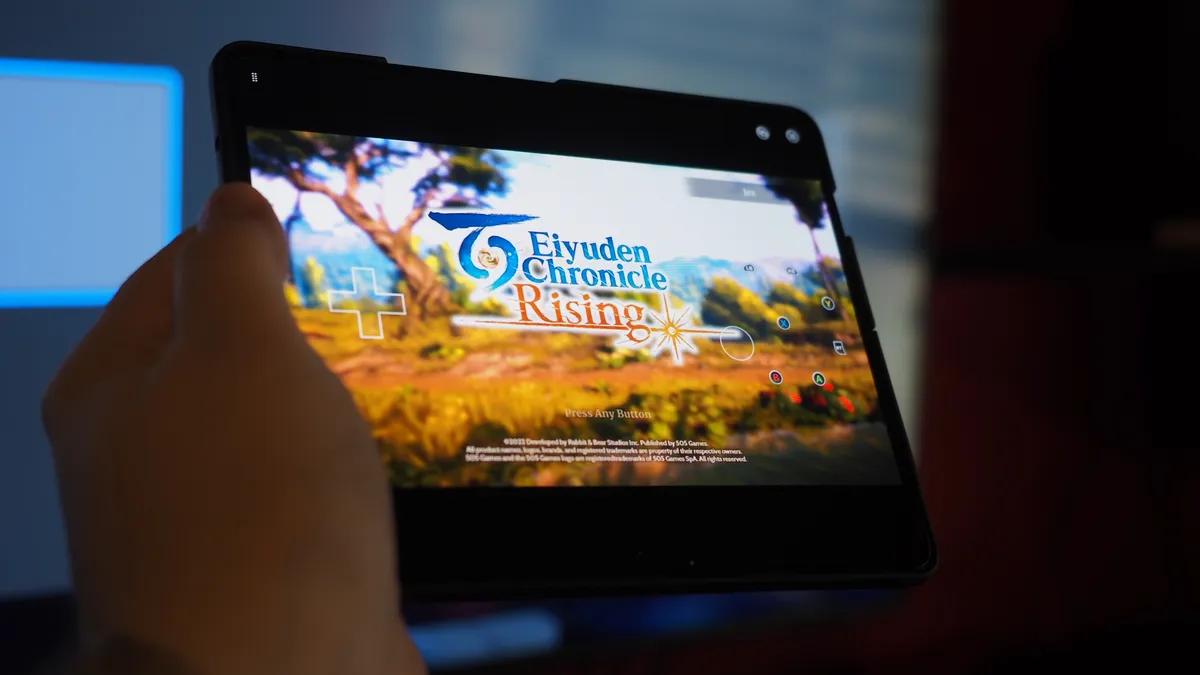
It's becoming clear that there's really no foolproof way to stop someone from cracking a game that they have full access to, and I fear that the answer to Denuvo's demise is contractual rather than technological.
I'm talking about subscription-based gaming that lets you "rent" a game that's then streamed to your device from a cloud server instance. With live authentication handshakes at every step and no real access to a game's files and no actual downloads, piracy potential is basically nonexistent.
Piracy is far from dead, especially as game (and hardware) prices continue to rise.
This logic is, of course, already being applied in some ways. Xbox's PC Game Pass, a service to which I've been a longtime subscriber, grants access to countless games for one price. Of course, I'm still downloading those games to my PC to play. Xbox Cloud Gaming takes the downloading part out of the equation, delivering games straight to your devices from the cloud.
The convenience these types of services afford, as well as Steam's frequent and deep sales, helped curb piracy. But piracy is far from dead, especially as game (and hardware) prices continue to rise.
A bargain that no gamer asked for

Because AI has caused RAM and storage (and other component) prices to skyrocket, there are valid concerns that a majority of gamers soon won't be able to afford the hardware on which games run.
The leading solution that doesn't involve payment plans and interest-free financing? Again, it's cloud gaming, where you don't actually own any hardware and instead pay a modest monthly subscription fee to rent a GPU and CPU sitting in a data center somewhere nearby.

What I find particularly troubling about this trajectory is that gamers are the ones being shafted. As usual. Sure, a subscription-based model would remove piracy almost entirely, but the idea of not actually owning any games is frightening.
Imagine if, like Netflix, the gaming service to which you subscribed decided to remove a selection of games from its library. Where would you turn then? A new subscription? You'd better hope the rights to those games are purchased by someone else.
Will the final boss of piracy indeed be a complete lack of game ownership? I can't say for sure, but it certainly feels like we're headed in that direction.

Join us on Reddit at r/WindowsCentral to share your insights and discuss our latest news, reviews, and more.

