Yesterday, Microsoft unveiled its fiscal performance for the past year, and most segments were up, save for Windows and Xbox.
Microsoft's consumer-oriented segments saw material declines, albeit coming in slightly ahead of expected guidance. The memory crisis has weighed on PC shipments as we all know, and Xbox has seen an immense amount of disruption in various ways.
Microsoft was up overall, buoyed by demand for its Azure AI service delivery. Where does that leave Xbox in a world where shareholders are demanding more of Microsoft than ever? Here's what Xbox CEO Asha Sharma and Microsoft CEO Satya Nadella had to say on the matter.
Microsoft's c-suite promises Xbox will return to growth by the end of FY27
In FY26, over 200 million new players came to XBOX and our games, but our business did not grow with our audience. We need to close that gap by investing in what players value. That will take time, but we expect to return to growth by the end of FY27.July 29, 2026
In comments on X (Twitter), Xbox CEO Asha Sharma remarked upon Xbox's journey, noting that it now had "200 million" active players, although it's hard to quantify exactly what that means in real terms. Xbox's platform is incredibly confusing and fragmented; does 200 million include players on PlayStation 5? Does it only include players on Xbox Series X|S, One, and Xbox PC? Does it include Candy Crush Saga players on Android? Who knows.
Either way, 200 million is nothing to scoff at, but she hinted at a core issue: Xbox isn't monetizing those players as well as they perhaps could or should be.
"Regarding Xbox, we are making the necessary decisions in our portfolio, platform, and operations to restructure the business and ensure sustainable long-term growth," Microsoft CEO Satya Nadella told investors. "We have the best titles in the industry along with highly talented studios around the world. We trust in our ability to unite these assets and leverage them, and we expect Xbox to return to the path of growth during fiscal year 2027."
I've seen some try to pin blame on last year's Game Pass u-turn for Xbox's decline this year, but the timeline doesn't really add up. Game Pass did lose a ton of subscribers in the short-lived price hike, but it would've also monetized remaining users more heavily. In fact, subscription services remain a bright spot in an otherwise pressured industry.
"US non-mobile subscription video game spending grew 16% in the first half of 2026 when compared to the same time a year ago, to $3.6 billion," Circana Senior Director Mat Piscatella told us. "Total video game content spending across, PC, console, mobile, VR and cloud was flat, at $24.3 billion. Non-mobile subscription spending includes everything subscription, from service like Xbox Game Pass, Switch Online, etc. to the MMOs and everything in between."
What's the real culprit for Xbox's decline here?

Xbox insiders point to Call of Duty: Black Ops 7 as the primary driver of this past year's decline, although the lack of major tentpole AAA titles is also worth pointing the finger at as well. The previous fiscal year saw a pretty huge amount of content hit Xbox's coffers, and Call of Duty: Black Ops 6 was touted as the biggest in franchise history. Exceeding that expectation simply didn't come to bear.
Call of Duty had some unprecedented competition last year from a resurgent Battlefield 6 and incumbents like Arc Raiders. And debates around Call of Duty's cartoony skins impacted perceptions around the game in general.
There are also other major titles at Xbox seeing pressure right now. Minecraft saw a huge explosion on the back of the 2025 movie in the previous fiscal, and hasn't really had a comparable boost in 2026. Roblox is likely doing more damage to Minecraft than Microsoft is willing to publicly admit right now, as Asha Sharma brings Mojang in-house as a direct report to her.
Candy Crush Saga is an absolutely monstrously huge franchise that core gamers often ignore, and even that has seen immense pressure on mobile from similar casual games, like Monopoly Go.
Xbox Game Pass has seen disruption from its ill-advised price hike last year, and Xbox hardware is under strain from the memory rout. But they're a drop in the bucket compared to the mega franchises Xbox now governs.
The challenge facing Xbox is tough, but is NOWHERE near insumountable

Despite challenges, there are already green shoots of recovery worth pointing towards. Call of Duty Black Ops 1+2's unexpected bare-bones (i.e. very cheap) ports to PlayStation 5 has seen it inexplicably claim the top spot on PS5, beating out Fortnite itself. It could open up a very big opportunity for Call of Duty "Classic" ports that nostalgic millennial cohorts are eager to re-experience, without the ridiculous skins and pop-culture bloat the modern games often tout.
Xbox is also returning to exclusive games to try and boost its hardware visibility. The memory crisis will likely prevent real growth in this area for at least a year or more, but Xbox Helix is around the corner — there's an opportunity for Xbox to innovate on the traditional console business model here.
Microsoft insiders have reiterated to me that Microsoft CEO Satya Nadella and CFO Amy Hood are giving Asha Sharma some breathing space on accountability margin expectations, in order to let the new strategy play out. The price of this has been absolutely massive layoffs, the biggest in Xbox history, as the brand resets various studios to staffing levels seen pre-Covid.
Xbox has become an enormous and unwieldy operation, though. Ensuring each part of the business is delivering on the opportunities ahead of it represents a massive and complex undertaking that Xbox arguably has struggled with. Since it acquired Minecraft, Activision, Blizzard, ZeniMax, and others over the past twelve years, Xbox has solidified itself as arguably the biggest content house on Earth this side of Disney. Maximizing the opportunities therein will take real investment, innovation, and risk-taking that I'm not sure Microsoft (or its shareholders) have the stomach for.
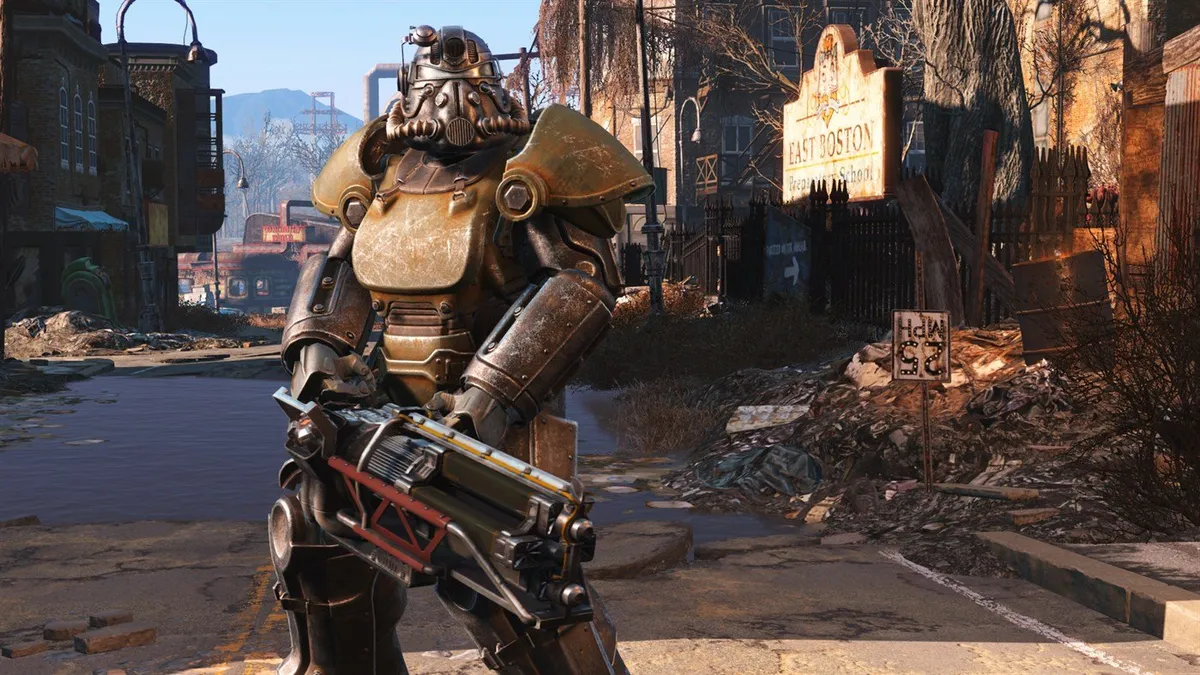
It should be clear how much potential there is here. The Fallout TV show, the Minecraft movie, and other big wins have proven beyond all doubt that Xbox can create a cohesive content portfolio that spans mediums and devices. But can it achieve this without sacrificing the core of what Xbox is?
It'll be interesting to see how Asha Sharma navigates all of these challenges in the coming years ahead. Asha Sharma arguably has the biggest business challenge in all of gaming right now.

Join us on Reddit at r/WindowsCentral to share your insights and discuss our latest news, reviews, and more.