


I grew up in an analog world. Smartphones were at least a decade away. Laptops were bricks of hardware with tiny, low-res screens and enormous hard drives. The first PC games I played shipped on floppy discs. I bought my first music album on cassette. I spent a lot of time outdoors, exploring the woods and building forts with friends.
You get the idea.
It pains me to say that the analog world in which I grew up has disappeared over time, giving way to a digital reality. Have you ever seen a toddler effortlessly operate a phone or tablet? Yeah, they know what's up.
Perhaps unsurprisingly, there's a growing resistance to this digital takeover. The analog revival, as it's often called, is usually framed as an anti-technology story. I don't think that's fair.
Younger generations aren't quitting all tech as a rule. They're mostly quitting smartphones and the digital hypnosis they can affect with seemingly no effort at all.
Sure, knitting needles, film cameras, vinyl records, landlines, and inked journals seem to be taking over TikTok and other social media hot spots, but there's another revival underway. One that could place Microsoft and the PC landscape in a very good spot.
The children yearn for the analog hobbies

In March 2026, crafting superstore Michaels published its latest Creativity Trend Report.
The findings suggest that there's some serious digital fatigue going on, noting significant upticks in searches for journals, hands-on crafts like sewing or knitting, crafting parties, party decorations, and more.
Searches for these analog hobbies rose, in some cases, by 919% in 2026. Yarn accessory sales alone grew by 40% compared to 2025, according to Michaels.
Similarly, CNBC covered the analog revival shortly before the Michaels report was published, noting that it's an effort pushing beyond a simple digital detox.

I have to agree; the movement feels a lot like an attempt to slow down and do things by hand at a time when generative AI is taking over the thinking and doing, especially in the creative and professional spaces.
Gen Z is largely driving the analog revival, and I wouldn't say it's afraid of tech. This is the generation that grew up with a phone in hand, after all.
But it's also the generation that's experiencing the worst AI fatigue, and it's the generation that Microsoft has largely focused on courting with its Copilot+ AI PC movement.
Microsoft's AI PC collision with analog refugees
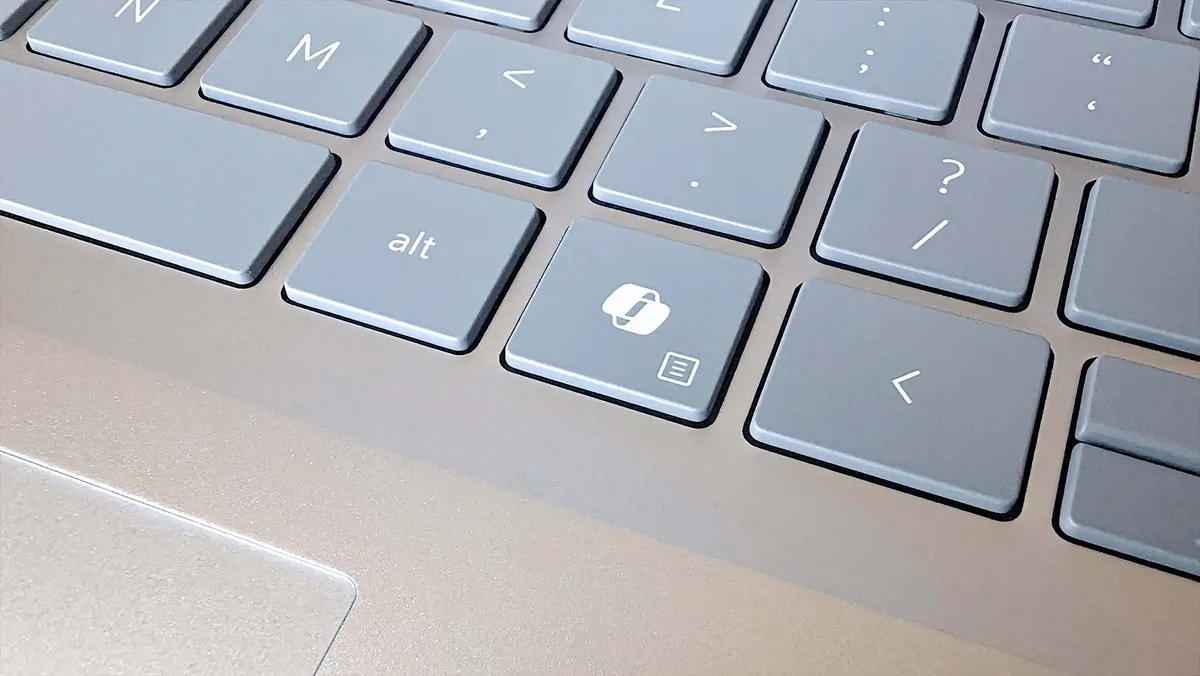
Microsoft seems to have been in a collision at the crossroads of AI PCs and the analog revival.
When Copilot+ PCs were first introduced in May 2024, it was the very beginning of an "AI everywhere" push for Microsoft's Windows 11. I won't go into the specifics here, but it was a hard time for Windows users as it seemed like AI was being injected into just about every aspect of the OS.
The backlash from users led to Microsoft's Windows president, Pavan Davuluri, stating in early 2026 that the company would be focusing on addressing pain points like performance and reliability.
Since then, Microsoft has been stripping Copilot features out of areas where they make the least sense, including Notepad, Teams, Snipping Tool, and Photos.
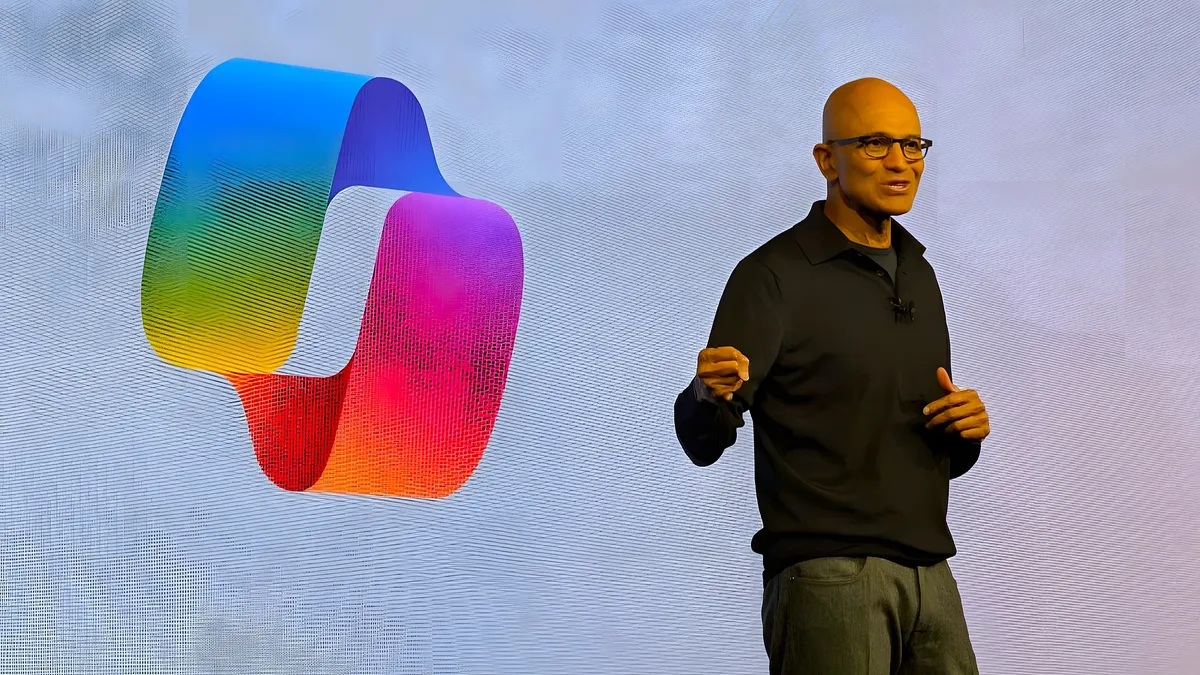
At Build 2026, the Copilot+ PC brand was barely mentioned. The strict NPU requirement to run Copilot+ tools? It might not be around long, as Microsoft is reportedly testing the features to run on GPUs as well.
The company that created an entirely new hardware category around AI handling tasks on your PC is backing away from its original pitch. The fact that it's happening at the same time that there's a major analog movement is probably just a coincidence.
I certainly don't think Microsoft alone is driving the digital desertion trend, but it's definitely not fighting it, either.
Where do PCs fit into an analog lifestyle?

I don't believe the analog movement is anti-computer. It's anti-friction, anti-ambient, and anti-notification. Phones are designed to interrupt you at every possible chance. One more short video. One more text. One more post. A phone is like a slot machine in your pocket, delivering dopamine on demand.
A PC, on the other hand, is more like a workbench. You don't pull out your laptop to kill a few minutes of idle time. You sit down at a PC because you decided to write something. Edit something. Build something. Play something.
A phone is like a slot machine in your pocket, delivering dopamine on demand.
Microsoft spent a couple of years trying to make Windows behave more like a phone while adding AI everywhere it could, and the resulting backlash shows just how flat that bet fell. No, I don't think the analog crowd is rejecting the PC. It's rejecting the parts of a PC that most behave like a phone.
The avenue of intentional computing is what I think Windows is best positioned to own, whether it intends to or not. The PC's real advantage over the phone isn't more AI. It's that it's still, fundamentally, a tool you purposefully use and turn off when you're done.
Will Microsoft lean into the analog revival?

Microsoft has a genuine opportunity here to gain users simply by doing less with Windows 11. Rather than positioning the OS as the de facto AI platform, why not position it as an escape hatch from the AI/attention economy that casts its shadow over so many of our lives?
I'm talking about improving focus modes. Removing ambient monitoring and notifications. Removing more AI features where they don't make sense. Make the PC feel more like a workbench again.
Davuluri's own message about pulling back on AI, listening to users, and fixing what's broken is already halfway there. It just hasn't been articulated expressly as a perk.
The PC doesn't need more AI to remain relevant to younger generations that are rabidly returning to analog hobbies. If anything, it's the opposite.
Will Microsoft make the most of the analog revival? Do you think I'm way off course with this intersection of tech and anti-digital crowds? Is it just a generational phase? Let me know in the comments section below!

Join us on Reddit at r/WindowsCentral to share your insights and discuss our latest news, reviews, and more.

