"Linux is a cancer that attaches itself in an intellectual property sense to everything it touches," indicated former Microsoft CEO Steve Ballmer in 2001. At the time, the executive considered Linux users to be communist thieves and viewed the open-source operating system as a "malignant cancer" on Microsoft's intellectual property.
In 2016, Ballmer seemingly changed his stance on Linux after Microsoft ported its SQL Server to Linux. He didn't redact his statement about Linux as he saw fit at the time. The executive revealed that going to war with open-source helped generate a ton of money, which greatly contributed to Microsoft's revenue.
Interestingly, he believed the threat from Linux had passed. The executive said he loved the SQL on Linux announcement, so much so that he emailed Microsoft CEO Satya Nadella to congratulate him on the move.
In 2020, Microsoft President Brad Smith admitted that the company had been on the wrong side of history when open source exploded. "The good news is that, if life is long enough, you can learn … that you need to change," Smith added.
Consequently, Microsoft has seemingly warmed up to open-source over the years, from PowerShell to Visual Studio Code to Microsoft Edge's JavaScript engine. And perhaps more recently, the company unveiled its own Linux distribution, Azure Linux 4.0, to the public.
It's worth noting that Azure Linux 4.0 isn't new; Microsoft has been running the open-source Linux distro across its infrastructure for years now. The only difference is that the platform is now expanding into broader server workloads. The operating system is built on Fedora and runs on Azure virtual machines.
The RAM crisis, mounting AI bloat, and Windows 10's death are all tipping the scales in Linux's favor

While this might seem like a stretch, it's increasingly becoming difficult for users to upgrade to Windows 11. Critics have referred to Microsoft ending support for Windows 10 as programmed obsolescence, designed to force working hardware into early retirement.
Groups like the public interest research group (PIRG) have petitioned Microsoft to reconsider its decision and extend Windows 10 support, citing the potential for the single biggest jump in junked computers (up to 400 million PCs).
Microsoft didn't necessarily leave Windows 10 users in the lurch when it ended support for the operating system on October 14, 2025. It extended support for an additional year through its extended security updates (ESU) program to October 14, 2026, though critics claimed it felt like a last-minute snooze button, only a band-aid on a bleeding system.
More recently, the company extended support for Windows 10 through its ESU program through 2027. It didn't disclose the reason for extending Windows 10 support, but recent events can offer a vague picture of some possibilities.
The rising cost of RAM and NAND, primarily driven through the roof by AI's insatiable appetite for computing power, has made it difficult for users to buy new hardware. In that sense, it's practically impossible for Windows 10 users to upgrade to Windows 11 because their devices don't meet Microsoft's stringent hardware requirements.
There's also the argument of flawed Windows 11 design elements. However, Microsoft already started addressing some of these issues as part of its broader Windows K2 initiative. The company has already started reducing the places where Copilot and its integrations appear across the operating system.
Groups like End of 10 have been pushing users to transition to Linux following Windows 10's end of support. The campaign encourages Windows 10 users to ditch the Windows ecosystem entirely and switch to a version of Linux on any outdated devices, using a lack of ads and telemetry tracking as the key selling points to get users to switch camps.
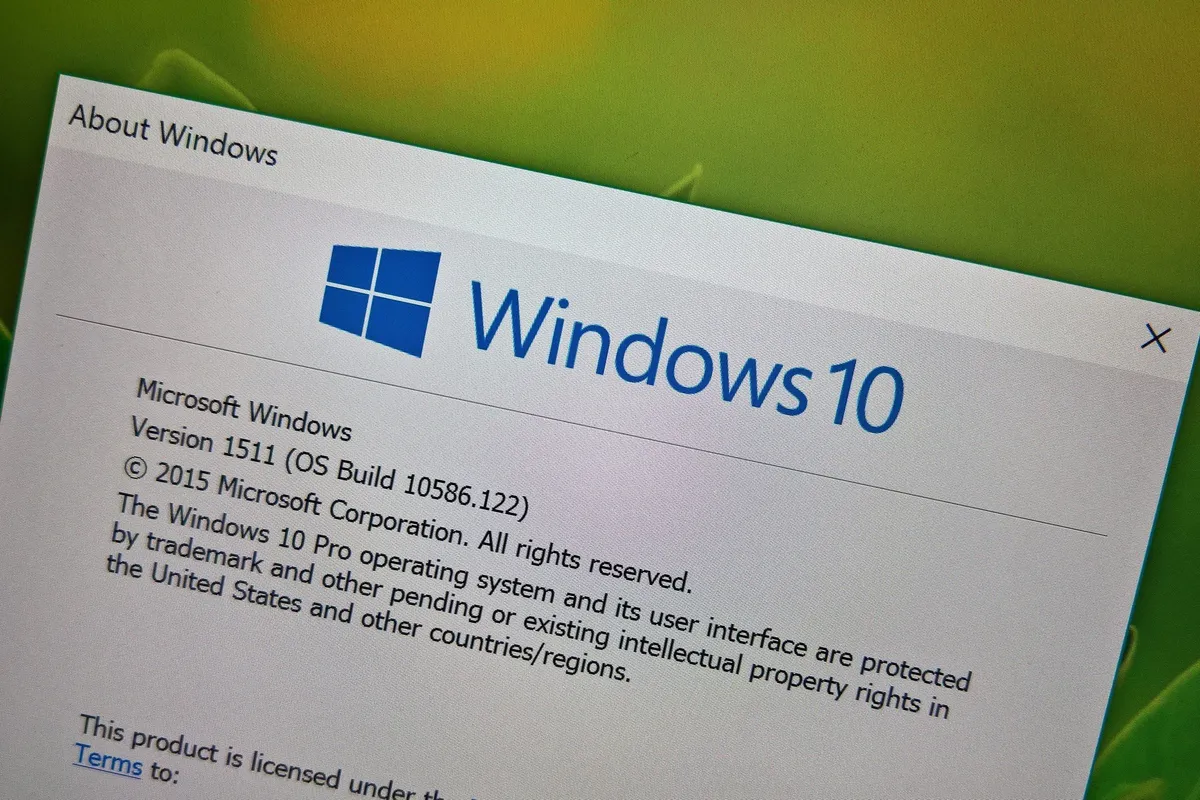
For context, a recent HP survey found that 3 out of 10 HP PCs are still running Windows 10. This was a slight decrease from September 2025, when HP and Dell indicated that up to 50% of PCs were still running on the operating system. As such, there's a chance the transition from Windows 10 to Windows 11 could roll over into 2027 and even 2028, especially after Microsoft's new lifeline for the OS.
I recently polled Windows Central readers about the current state of affairs and whether they plan to upgrade to Windows 11. Out of 321 participants, 68% (217 readers) said they intend to stick with Windows 10 through 2027.
According to a Windows Central reader:
"Linux has gotten way better, and perhaps with some install help it does everything the common folks want to do (read: not gamers or others reliant on some very specific tailored app).
The way Microsoft has been talking about their future makes every conscious consumer know this is only the beginning, and regular os subscription payments, more surveillance etc is coming.
I might buy win 11 based pc in the future when the current one stops working, but I already know it will run Linux just fine, so MS has opened Pandora's box."
I’ll go out on a limb and suggest that, while it may sound far-fetched, Windows 10 holdouts could abandon Microsoft’s ecosystem in favor of open-source alternatives like Linux — especially if the RAM crisis continues to spiral out of control.

Join us on Reddit at r/WindowsCentral to share your insights and discuss our latest news, reviews, and more.