Windows 11 is, by most objective measures, a strong operating system. It’s fast, stable, secure, and far more coherent than Windows 10 ever managed to be. The engineering teams have done impressive work modernizing the platform, albeit slowly for some (yes, I hear you people who just want to move your TaskBar).

And yet, if you spend even five minutes in any Windows community, you’ll find a level of frustration that feels wildly out of proportion to the OS’s actual technical state. Just look at this week's Patch Tuesday fiasco, which keeps on going and going and going.
That disconnect is the real story. Windows doesn’t have a feature problem. It has a trust problem. Case in point: This week's other big news with the FBI and BitLocker.
Over the past decade, Microsoft has slowly chipped away at the goodwill of its most loyal users — not through catastrophic failures, but through a steady drip of decisions that make people feel sidelined. Forced changes to the taskbar and Start menu. Ads are creeping into the Start menu, Settings, and File Explorer. Copilot appearing on the taskbar and Edge, whether you asked for it or not. Telemetry settings that feel scattered and opaque. Insider feedback that often seems to vanish into a void.
None of these things is individually disastrous, but together they create a sense that Windows is something being done to users, not built with them.
It’s the erosion of agency — the feeling that Microsoft is prioritizing its own strategic goals over the preferences of the people who actually use the product every day.
People don’t hate change. They hate surprise. They hate feeling like they’re not part of the conversation. They hate waking up after Patch Tuesday and discovering that something they relied on has moved, changed, or been replaced without warning, e.g., Start menu changes. And they especially hate the creeping sense that the OS they paid for is slowly becoming a billboard for Microsoft’s services.
The irony is that Windows 11 itself is not the villain here. The OS is good (sorry, but I really believe that). The problem is emotional, not technical. It’s the erosion of agency — the feeling that Microsoft is prioritizing its own strategic goals over the preferences of the people who actually use the product every day. When users lose trust, even good features feel like intrusions.
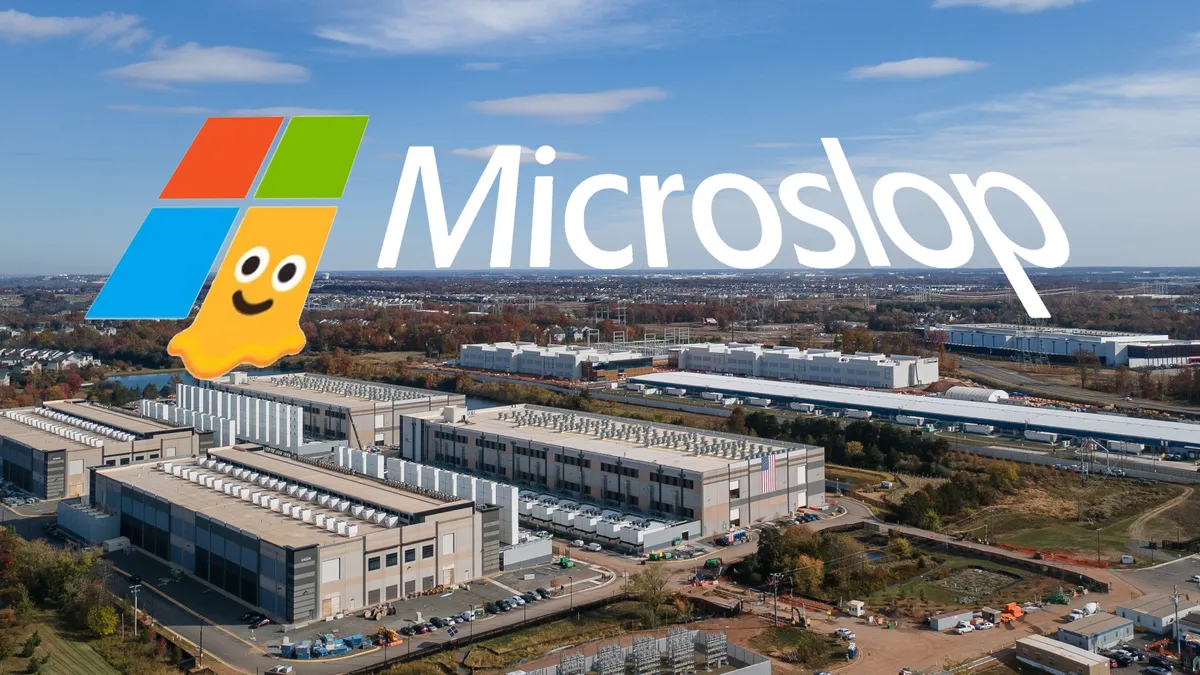
There's a reason why 'Microslop' is trending, after all.
What people want is simple: clarity, consistency, and control. They want to know what’s changing and why. They want ads out of core system UI. They want privacy settings that are easy to understand. They want AI features to be opt‑in, not bolted onto their workflow by default. They want the Insider Program to feel like a partnership again, not a one‑way bug‑report pipeline.
The fix: Microsoft needs a Windows Social Contract

None of this requires a reinvention of Windows. It requires a reinvention of the relationship between Microsoft and its users. A kind of “Windows Social Contract” — a public commitment to transparency, respect for user choice, and a clear boundary between the OS and Microsoft’s marketing ambitions. A promise that Windows will evolve, but not at the cost of user trust.
Windows doesn’t need another Start menu redesign. It needs Microsoft to rebuild confidence — one transparent decision at a time. Because the OS is in good shape. It’s the relationship that needs the update.
Imagine a simple, public commitment — a “Windows Social Contract” — that includes:
- No ads in core system UI
- No forced feature rollouts without opt‑in
- Clear, centralized privacy controls
- Transparent communication about roadmap changes
- A meaningful Insider feedback loop
- User choice in AI integrations
This isn’t radical. It’s respectful. And it would rebuild more goodwill than any new feature ever could.
Windows is not in crisis. But the relationship between Microsoft and its users is strained. And relationships don’t heal through silence or surprise updates.
They heal through clarity, consistency, and respect.
Microsoft has the engineering talent to build the best operating system in the world. Now it needs to rebuild the trust that makes people excited to use it.
One transparent decision at a time.

Putting aside the half-empty promises of people switching to Linux (yes, some will, most won't), do you agree with my Windows Social Contract idea, or is it too far gone to ever recover from? What changes do you want to see at Microsoft that I left out?
Let me know in comments (Hint: Microsoft does read this site and its comments, so if you're serious about helping, give a serious, well-thought-out response, and it could help in their decision-making; angry venting gets tedious). — Daniel Rubino, Editor-in-Chief

Follow Windows Central on Google News to keep our latest news, insights, and features at the top of your feeds!