


The PC hardware you and I use today for work and for gaming had to start somewhere, and that somewhere often involves a concept or pioneering device that changed our expectations (and the overall market) for the better.
Lenovo's Legion Go Fold, unveiled earlier this week at MWC 2026, is one of the company's most ambitious concept devices. That's saying a lot for Lenovo, which historically hasn't been afraid to take chances and has produced some truly remarkable PC hardware.
It got me thinking: how many separate, older devices actually went into the Legion Go Fold's engineering choices? From the folding display to the removable gamepads to the detachable keyboard and stand, I went down a rabbit hole of PC and PC gaming concepts and found some remarkable products from days gone by.
1. Lenovo's ThinkPad X1 Fold introduces folding screens to laptops
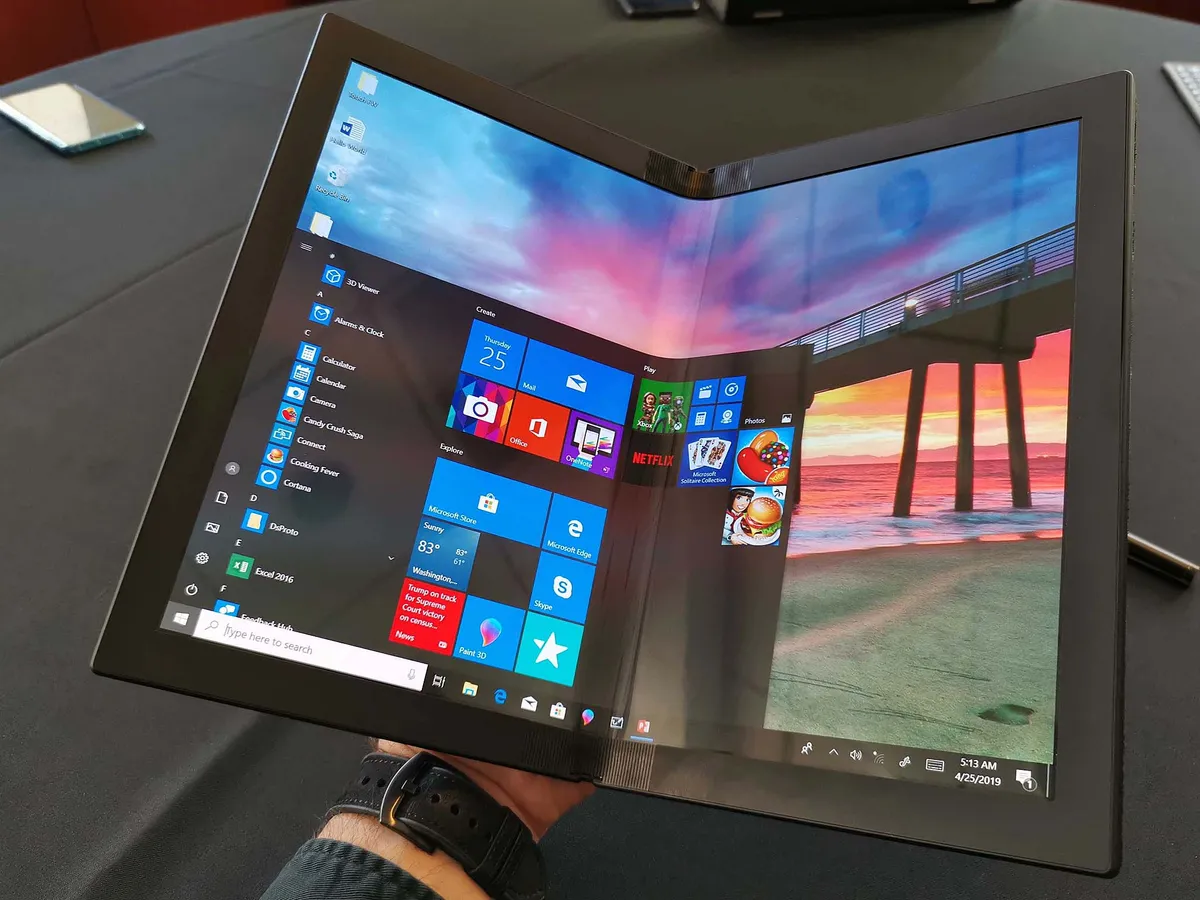
Lenovo's ThinkPad X1 Fold was first introduced commercially in 2020, but it went through several iterations behind the scenes before it hit the market. The X1 Fold is the first device I thought of when I saw the new Legion Go Fold.
No, the 2020 and 2022 Gen 2 models are not technically concepts in the sense that they were never launched commercially (they were), but they certainly showed other brands that a folding screen was possible.
HP's Spectre Foldable 17 followed the X1 Fold with a 2023 launch, adding a larger OLED screen and a more stylized, premium design synonymous with the (now retired) Spectre brand.

Going back a lot further in time, I came across devices like the Polymer Vision Readius, which featured a 5-inch rollable e-ink display. It was introduced at MWC 2008.
Also in 2008 came the Nokia Morph, a concept "phone" with a soft display that allowed the device to change into a tablet and a bracelet. It's butt-ugly and never made it into production.
Samsung is the company that really began pushing the idea of foldable OLED displays in 2013, which of course has now evolved into the handful of folding phones on the market today.
2. Razer's Project Fiona lays the groundwork for modern PC gaming handhelds

Gaming handhelds have a long history, running all the way back to the '70s with countless devices throughout the years. But PC gaming handhelds have a more recent origin story.
Sure, devices like the OQO Model 01 from 2004, the Sony Vaio UX from 2006, and Microsoft's Project Origami from the same year were some of the original handhelds that shipped with Windows, but they weren't cut out for gaming.
The Linux-powered Pandora was fairly popular amongst mobile gamers for a few years after it launched in 2010, but it was Razer's Project Fiona concept that really showed us the future of PC gaming handhelds with controllers flanking a large screen.
It launched in 2013 under the "Razer Edge" name, not to be confused with the more modern resurrection. Featuring up to an Intel Core i7 CPU, NVIDIA GT640M LE GPU, 8GB of DD3 RAM, and running Windows 8, it made its debut at $999.
The 2016 GPD Win made a splash with its Nintendo 3DS folding design. Speaking of Nintendo, we got the original Switch in 2017, which added removable wireless controllers, something Lenovo later used in its Legion Go and now the Legion Go Fold.
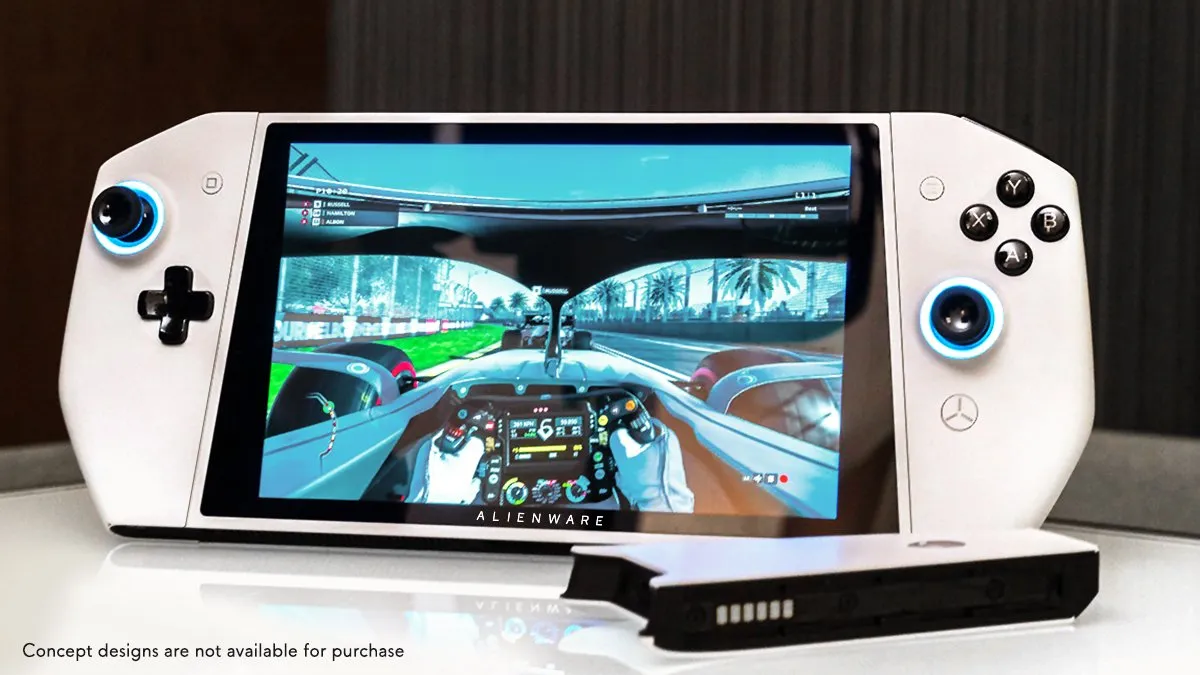
Alienware's Concept UFO, unveiled at CES 2020, never became anything official despite it being the first look at what I'd consider modern PC gaming handheld design. It was Valve with its SteamOS-powered Steam Deck in 2022 that created a wave of PC handheld gamers unlike anything seen before.
3. Microsoft's Surface lineup shapes the 2-in-1 PC landscape
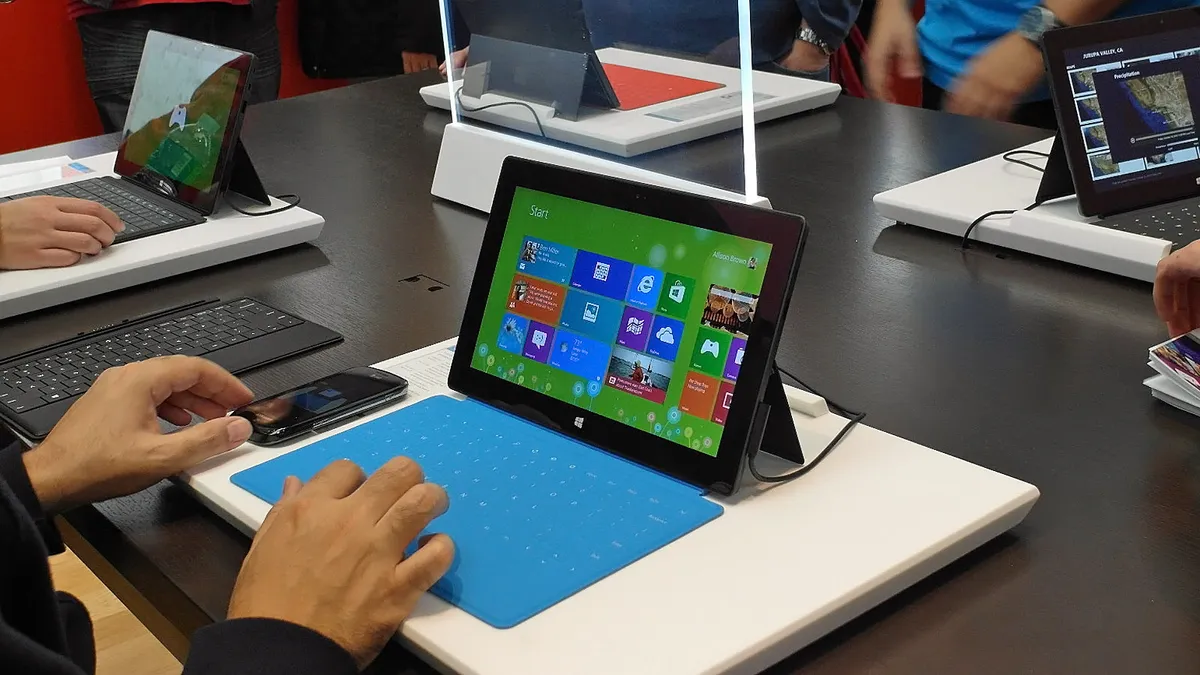
Lenovo's Legion Go Fold can also be used as a 2-in-1 laptop with a detachable keyboard and folding stand, just like the Surface Pro. For our regular readers here at Windows Central, I'm sure Surface needs no introduction.
For everyone else, Microsoft debuted the Surface RT in 2012 and followed it up with the first Surface Pro in 2013. The latter device proved to be a lot more popular, and it spawned generations of Surface Pro all the way up to the latest Surface Pro 11.
The vast majority of competing 2-in-1 PCs all use the Surface Pro design that Microsoft perfected.

Going back a whole lot further in time, I'm fairly certain that the Compaq Concerto was technically the first detachable laptop with a screen that supported a rudimentary form of inking. It launched in 1993 and shipped with MS-DOS 6.2.
The Concerto was notably included as a prop in the 1995 movie Die Hard: With a Vengeance; it was used by the protagonist, Simon Gruber, to build a bomb.
How many PC concept devices did I miss? I want to hear from you!
My deep dive into PC concepts and pioneering devices that contributed to the 2026 Legion Go Fold is no doubt missing some hardware, and I'd love for you to help me fill in the gaps.
What is your favorite concept device of all time? How long ago did you first get your hands on one? What was it? Let me know in the comments section!

Join us on Reddit at r/WindowsCentral to share your insights and discuss our latest news, reviews, and more.

