


NVIDIA's CEO just made a bold claim about the artificial intelligence race, and it's already proving controversial.
NVIDIA was formerly a gaming graphics company, but has since become a server-first company, powering data centers for all types of cloud compute. The industry that made it a global market cap leader was artificial intelligence, which requires enormous amounts of compute to help users generate pasta recipes, cat memes, and bad poems.
Indeed, "artificial intelligence" applications are fairly unimpressive for most every day people, although they are being applied in certain industries in a far more useful scenarios. AI systems like Github Copilot and Claude Code has expedited programming productivity in some cases, and agentic AI systems can help companies parse large data sets in a far more efficient cadence. Efficient at least in terms of time, that is.
The elephant in the room is that AI is making model makers zero dollars. Companies like OpenAI are either barely breaking even or burning cash like there's no tomorrow. OpenAI in particular has been long thought of as running one of the worst business models in tech history, requiring billions in annual venture capital handouts just to keep the lights on.
Microsoft was an early investor in OpenAI, and is heavily partnered and integrated with them for Microsoft Copilot and other tools. Microsoft is one of the few companies that has made a bit of cash on the AI boom, in large part thanks to Github Copilot and heavily siloed and legally-compliant Microsoft 365 Copilot tools. NVIDIA CEO Jensen Huang's recent comments on the Lex Fridman podcast might have Microsoft's lawyers raising their eyebrows, though.
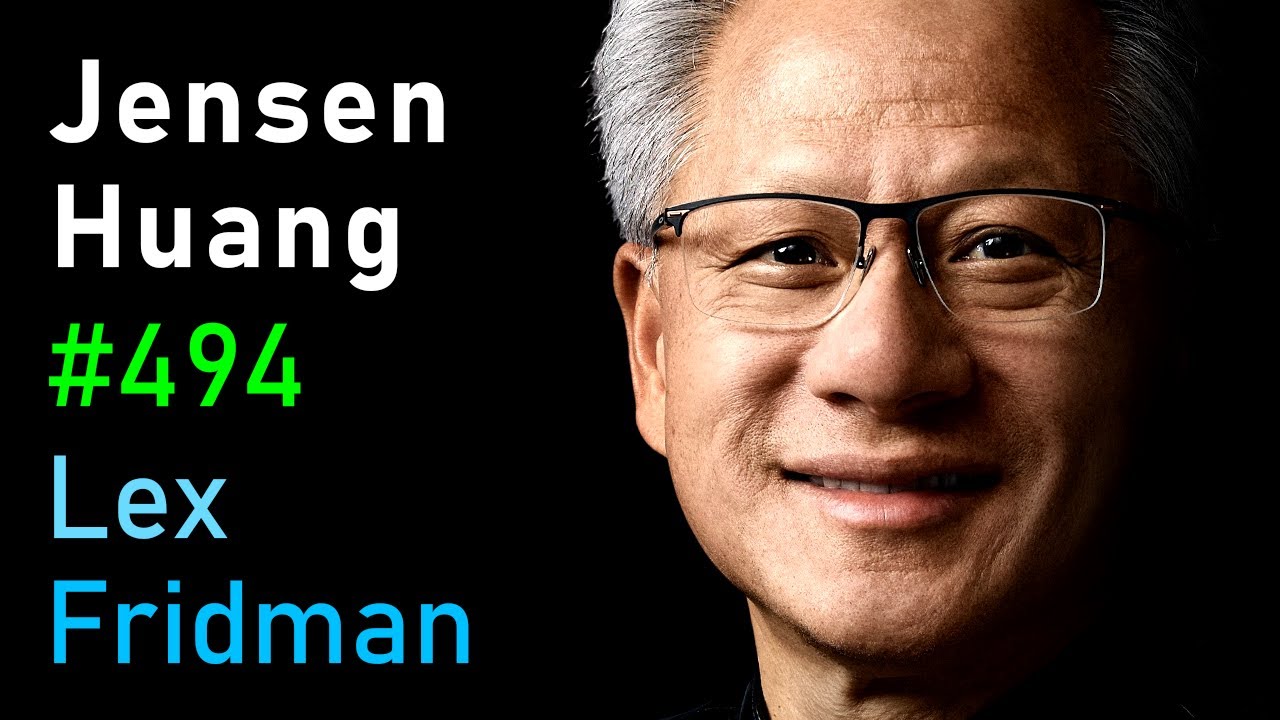
On episode 494 of the show, Lex Fridman asked Huang for a timeline on achieving "AGI," or artificial general intelligence. The definition of AGI varies wildly based on who you ask, but Fridman posits the scenario of an agentic AI that can autonomously set up and run a tech company, and make millions of dollars doing it.
"Is this 5, 10, 20 years away?" Fridman asked. Huang said, "I think it's now. I think we've achieved AGI."

"AGI" or artificial general intelligence is a vaguely defined benchmark for AI tech, inferring a model that can exceed human abilities across the cognitive spectrum. AI is already able to compute faster than the human brain, but it struggles immensely with context and inference. We've all seen AI hallucinations and the potential consequences therein. AI mistakes could potentially cost a company billions of dollars if used inappropriately.
As such, AGI envisions a situation where a model can be fully relied upon, in essence. It's an AI that can adapt and apply multiple skill sets as a human being can, to perform a variety of complex tasks concurrently, as opposed to the very narrow per-task capabilities AI models generally have today. Although, there's no formally agreed upon philosophical definition of what AGI looks like today. A future court battle between OpenAI and Microsoft may force the authorities to come up with one, though.
Huang elaborated that he thinks agentic tools like OpenClaw could easily set up and run a viral app that billions of people might pay 50 cents for, like many start ups did during the dot com boom or the early days of the smartphone app industry. It hasn't happened yet, of course, but it's certainly not outside the realm of possibility.
The reason Microsoft and OpenAI's lawyers might be interested in this definition owes to an odd clause in the companies' partnership agreements.
When Microsoft initially partnered up with OpenAI, the latter baked in three "escape clauses" to move away from offering Microsoft model exclusivity in the event that so-called "AGI" is achieved. However, OpenAI and Microsoft define AGI very differently to Lex Fridman and Jensen Huang here.
For OpenAI and Microsoft, OpenAI can only cut off Microsoft from future models if it can demonstrate an AI model that can generate $100 billion in profit. For reference, even OpenAI's most advanced models have yet to generate a single cent in profit. Microsoft is also barred from competing with OpenAI on building models that could approach "AGI," as part of this deal, if they're built using any of OpenAI's technology.
Tensions between OpenAI and Microsoft might be reaching a fever pitch as of late. There are rumors that Microsoft is exploring suing OpenAI owing to its latest funding round, which grants competing tech companies like Amazon some access to its products in a move which might violate some of Microsoft's early contracts with the firm.
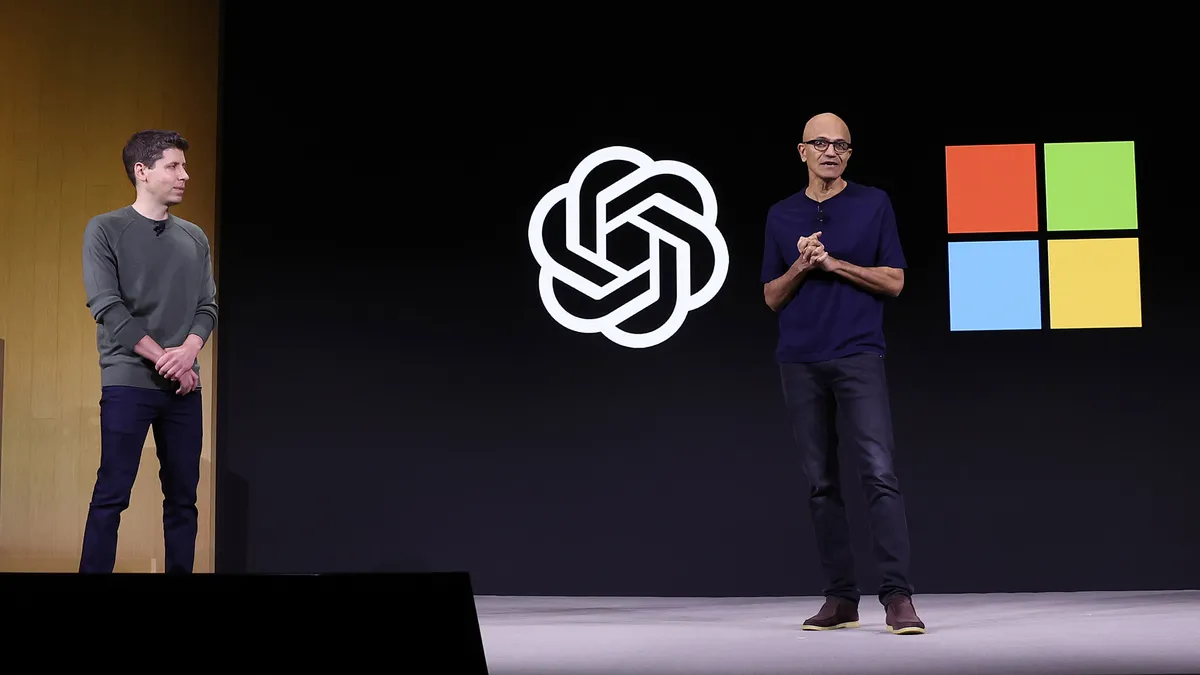
The original design of the "AGI" agreement was based on Microsoft's belief that a generally autonomous and intelligent AI is unlikely to arrive before 2030. Inversely, OpenAI and NVIDIA both have been far more willing to shift the definition of AGI, hyping the idea that it might already be here.
Jensen Huang's comments feed a narrative shift on the definition of what "AGI" actually is, and while the original contract with OpenAI suggests profitability as a metric, it's ultimately up to OpenAI itself to decide what constitutes "AGI." If OpenAI's board decided to declare that it has achieved AGI, it might set the stage for a big court battle between Microsoft and OpenAI to find a formal definition of the so-called technological benchmark.
Microsoft has been moving away from OpenAI reliance for some time, but it might already be too late for it to catch up without ChatGPT and other similar models. If OpenAI successfully declared "AGI" as achieved, either holistically or via the court system, Microsoft could find itself check mated out of access to more powerful frontier OpenAI models, battering Microsoft Azure's prestige and profitability potential. Microsoft investors are already nervous that it is over-exerting itself on AI infrastructure capex. Imagine how they'd react if Microsoft was to lose exclusive access to OpenAI's post-AGI models?
Microsoft already seems to be preparing itself for a post-OpenAI future. Microsoft has restructured its AI division recently, designed to prioritize research into its own models and toolkits. Microsoft has also returned to focusing on customer feedback across Xbox and Windows both, as these platforms and their future viability become more business critical in a potential future where Microsoft loses the AI race.
Indeed, whether due to AGI disagreements or OpenAI's finances finally imploding — a big, nasty breakup between OpenAI and Microsoft seems increasingly likely as time goes on. Get the popcorn ready.

Join us on Reddit at r/WindowsCentral to share your insights and discuss our latest news, reviews, and more.

