


Key figures heavily invested in the generative AI landscape congregated at the World Economic Forum in Davos, Switzerland, to share their thoughts about the current state of the technology, further highlighting their aspirations and goals.
DeepMind CEO Demis Hassabis and Anthropic CEO Dario Amodei indicated that they can already see early signs of AI taking over junior roles at their own companies. Last year, Amodei warned that AI was on the precipice of slashing 50% of entry-level white-collar jobs, leaving the next generation without work.
Microsoft CEO Satya Nadella shared some insightful thoughts about AI at the conference, suggesting that AI could potentially lose public support unless it is used to deliver tangible, real-world impact.
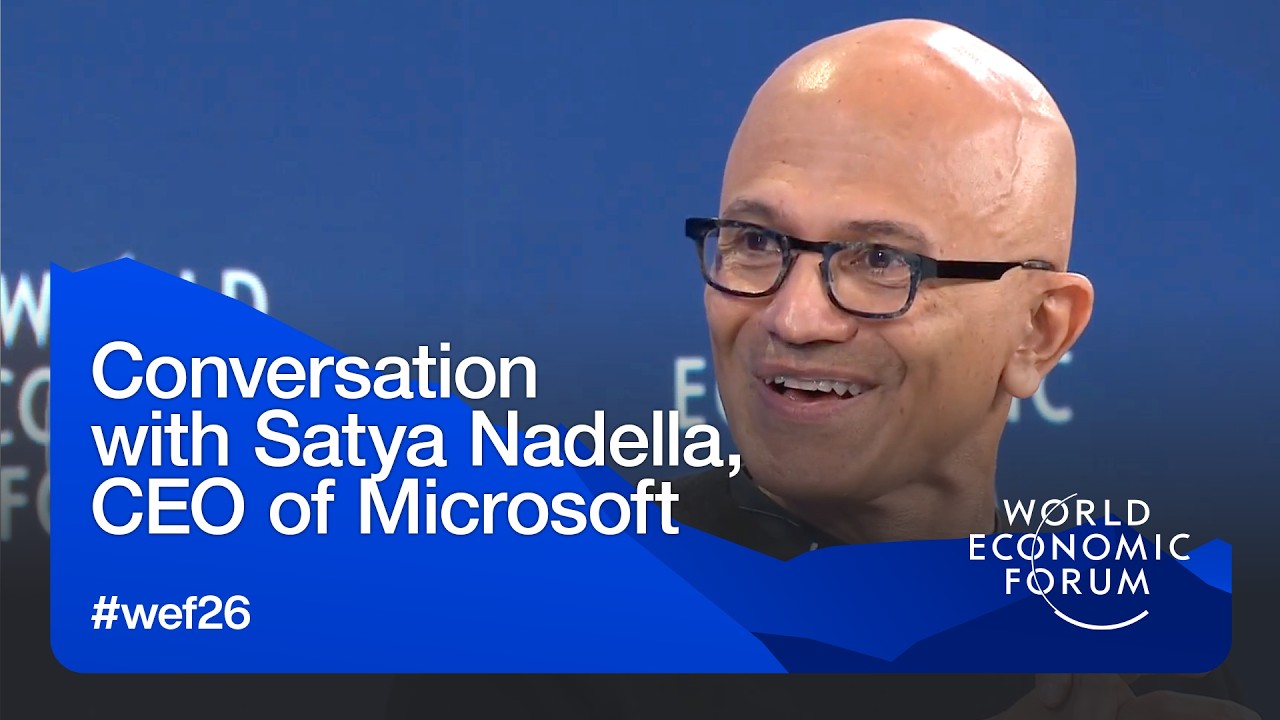
Last year, the executive revealed that he was less concerned about AGI benchmarks, indicating that he is more keen on delivering real-world impact with AI.
Interestingly, Nadella's comments about AI needing to prove its usefulness in society, weeks after he expressed his desire and hope for society to embrace the technology as it continues to advance and move on from heavy mockery and criticism of AI slop.
We as a global community have to get to a point where we're using this to do something useful that changes the outcomes of people and communities and countries and industries. Otherwise, I don't think this makes much sense. In fact, I would say we will quickly lose even the social permission to actually take something like energy, which is a scarce resource, and use it to generate these tokens.
Microsoft CEO, Satya Nadella
However, Nadella's plea seemingly had the opposite effect, earning Microsoft a new nickname — Microslop. Now, the executive says more organizations need to get on board with AI on a larger scale to prevent it from becoming a bubble.
Last year, Microsoft co-founder Bill Gates warned of an AI bubble, primarily driven by investor enthusiasm and overvalued companies, while likening it to the dot-com bubble. "There are a ton of these investments that will be dead ends," Gates added.

As you may know, Bill Gates was initially skeptical about Microsoft investing $1 billion in OpenAI in 2019 due to its non-profit business structure. "You're going to burn this billion dollars," Gates warned.
Satya Nadella's push for broad AI adoption comes as Microsoft invests billions of dollars into the ever-elusive landscape for model training, computing power, and infrastructure.
In case you missed it, OpenAI is reportedly on the verge of making a $14 billion loss in 2026, which could potentially lead to bankruptcy by mid-2027. The ChatGPT maker is reportedly biting off more than it can chew with its expenditure on infrastructure expansion, model training, research hiring, and compute costs.

Will AI deliver real change in society, or it just a fad? Share your thoughts in the comments and cast your vote in the poll!

Follow Windows Central on Google News to keep our latest news, insights, and features at the top of your feeds!

