


Microsoft CEO Satya Nadella recently indicated that Copilot's user base has grown “nearly 3x year-over-year” during an earnings call, including AI chats, the news feed, search, browsing, shopping, and “integrations into the operating system.” It's unclear how much revenue the company is actually generating from the offering.
However, a new report suggests that only 3.3% of Microsoft 365 and Office 365 users who interact with Copilot Chat actually pay for it (via The Register). In contrast, Microsoft spent a whopping $37.5 billion on its AI-themed efforts, according to the company's latest financial earnings report for FY26 Q2.
Despite investor doubt and concern, Nadella indicated Copilot is"becoming a true daily habit," further citing "record" AI momentum. Microsoft's report on Copilot adoption and growth looks good on paper; it factors in approximately 15 million paid Microsoft 365 Copilot seats, which translates to 160 percent growth year-over-year.
However, the report doesn't categorically indicate that a huge chunk of Microsoft 365 users have access to the AI-powered chatbot for free, which, as highlighted by Directions on Microsoft analyst Mary Jo Foley, could roughly translate to 450 million users.
As such, beyond the bundled Microsoft 365/Office 365 deals and discounts, Copilot's paid user base is relatively small when compared with Microsoft's broad customer base. More importantly, the software giant's splurge on AI doesn't seem to be attracting similar returns.
In 2023, Microsoft launched its 365 Copilot offering as a $30-per-user, per-month add-on, which it marketed as an AI-powered productivity tool integrated into Word, Outlook, Teams, Excel, and PowerPoint.
The tech giant is seizing this moment to set itself apart from rivals like OpenAI’s ChatGPT. It touts Copilot as an AI agent with the capability of acting on behalf of users, searching internal documents, and analyzing meetings and emails.
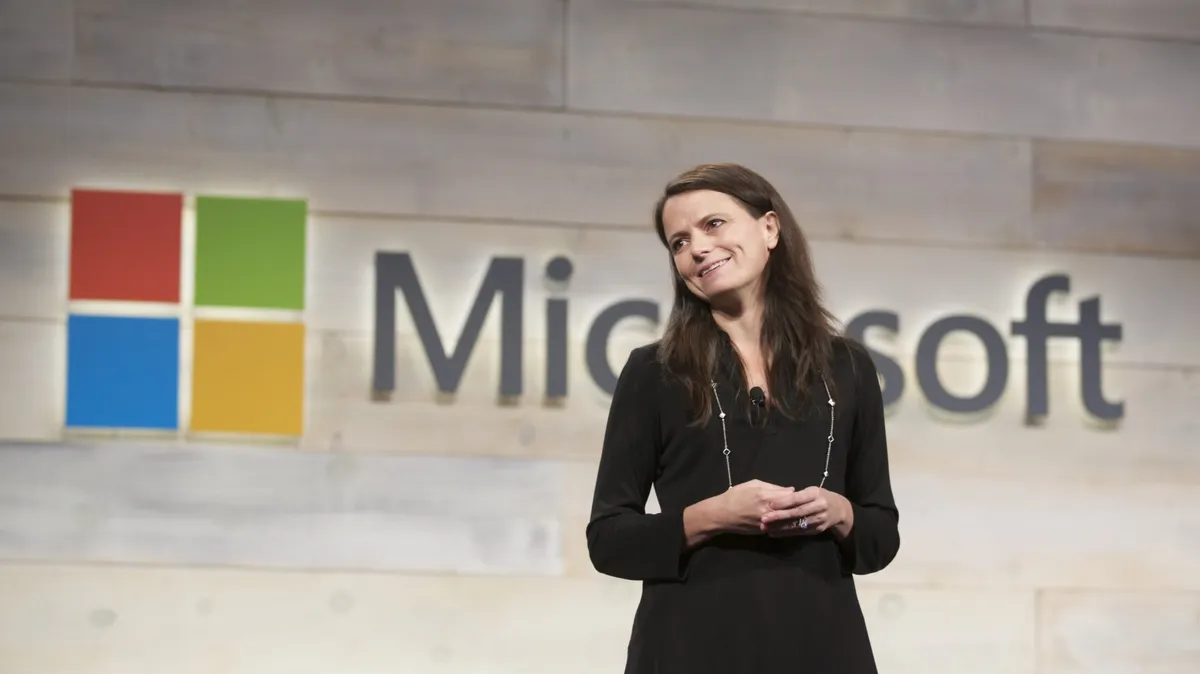
Interestingly, Microsoft CFO Amy Hood dismissed claims about the company's spending and investment in AI not paying off, further indicating that judging its spend solely on the growth of its Azure cloud business is "the wrong yardstick."
I think many investors are doing a very direct correlation between the capex spend and seeing an Azure revenue number.
Amy Hood, Microsoft's Chief Financial Officer
Windows Central recently reported that Microsoft is reevaluating its AI strategy in Windows 11, which could involve streamlining or even removing features users don’t find valuable. That review may include Copilot integrations in apps like Notepad and Paint.
While it might still be too early to tell, Microsoft's decision to walk back its Windows 11 AI overload might be a result of backlash from users or investor concern over its exorbitant spending on AI with negligible returns to show.

Follow Windows Central on Google News to keep our latest news, insights, and features at the top of your feeds!

