


Generative AI has advanced tremendously, particularly among AI chatbots like ChatGPT. I can remember hallucinations and outrightly wrong responses to queries among the top complaints lodged by users in the early days of ChatGPT and Bing Chat (now Microsoft Copilot).
While ChatGPT and Copilot have improved significantly, they still often generate incorrect responses. So, it's still important to tread carefully when interacting with these tools. If you've ever interacted with ChatGPT, you might have noticed a subtle disclaimer at the bottom of its answers: "ChatGPT can make mistakes."
Last year, OpenAI CEO Sam Altman expressed shock over the high degree of trust people have in ChatGPT. "People have a very high degree of trust in ChatGPT, which is interesting, because AI hallucinates," Altman added. "It should be the tech that you don't trust that much."

Now, a study from Pennsylvania State University found that being generally rude or mean to ChatGPT might help you generate better and more accurate responses from the chatbot (via Fortune).
The researchers used OpenAI's ChatGPT-4o model for the study, discovering that the model generated more accurate results on 50 multiple-choice questions as the prompts used became increasingly rude.
For instance, the chatbot seemed to generate better responses when the researchers used prompts like "Hey, gofer, figure this out" than when they used polite language like "Would you be so kind as to solve the following question?"
For more context, among the approximately 250 prompts, the "very rude" prompts generated better responses with an accuracy of 84.8%, which is 4% higher than that of the "very polite" prompts.
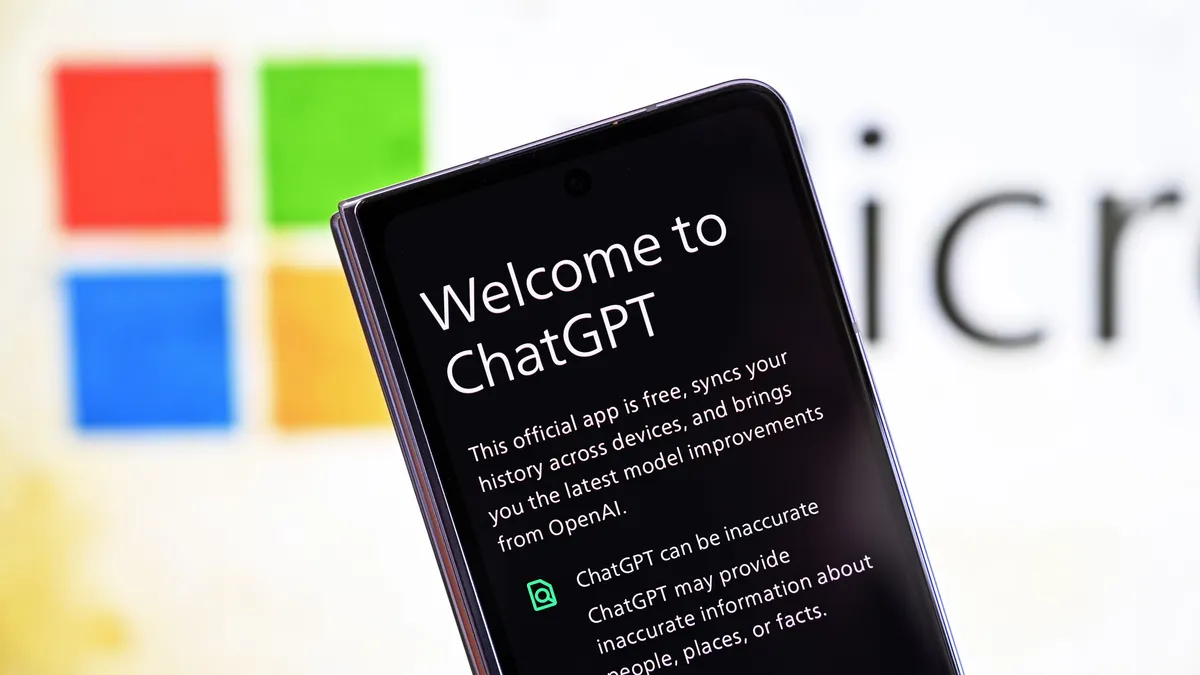
While using mean and rude prompts seems to make AI chatbots like ChatGPT less susceptible to hallucination episodes, the researchers warned that it could result in “uncivil discourse.”
Using insulting or demeaning language in human-AI interaction could have negative effects on user experience, accessibility, and inclusivity, and may contribute to harmful communication norms
Penn State researchers
However, they admitted that their study was limited to a small sample size. What's more, the findings were based on OpenAI's previous ChatGPT-4o model. Perhaps the results would have varied if the company had more sample responses and AI models for the study?
The researchers indicated that advanced AI models might have disregarded the prompt's tone, focusing solely on the question to provide a clear response.
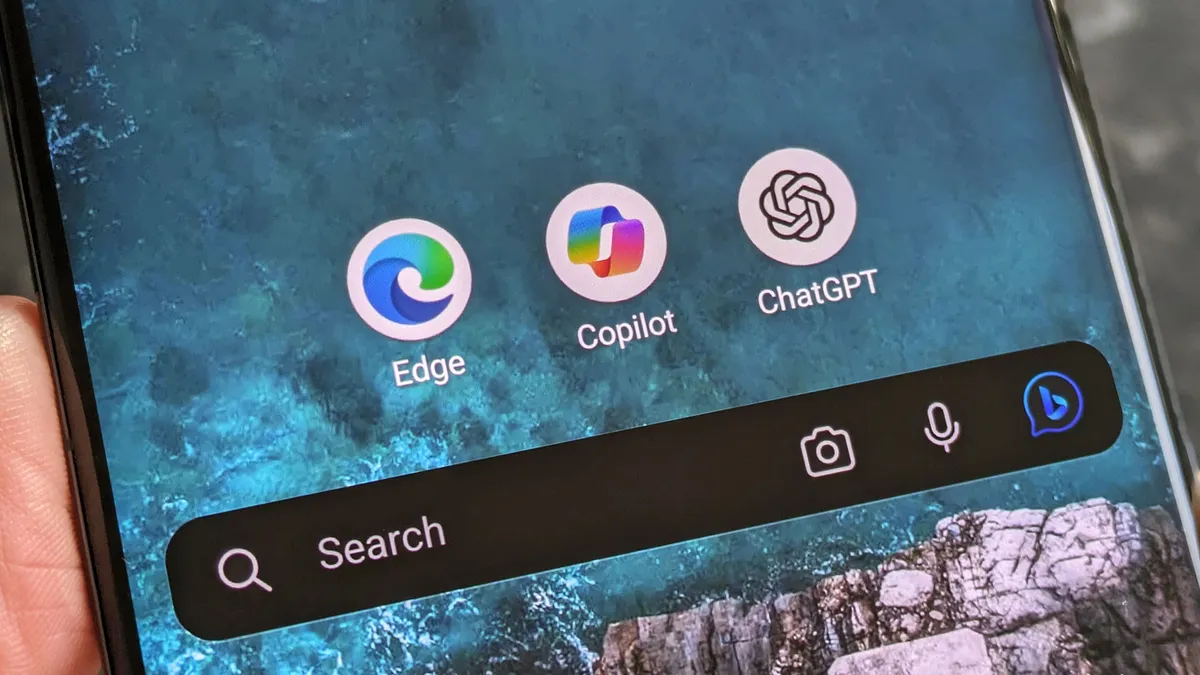
This study at least highlights the continued importance of proper prompt engineering skills and how they impact the responses you generate from these AI-powered chatbots. The reactions are night and day.
Perhaps Microsoft was right that ChatGPT isn't "better" than Copilot; we're just not using it as intended. The software giant highlighted a lack of prompt engineering skills as the main reason for the complaint from users.
Last year, Microsoft researchers published an interesting study claiming that an overreliance and dependency on AI-powered tools like Copilot negatively impact people's critical thinking capabilities. Perhaps more concerning, the study suggested that it may, in the long term, atrophy your cognitive faculties.
A separate study by OpenAI revealed that overdependency on ChatGPT may lead to loneliness, ultimately leading to a loss of confidence in decision-making.

Do your prompt engineering skills affect the chatbots response quality? Share your thoughts in the comments and cast your vote!

Follow Windows Central on Google News to keep our latest news, insights, and features at the top of your feeds!

