Microsoft is gearing up to unveil new Surface hardware this spring, and odds are good we’ll finally see a refreshed flagship Surface Pro. But even if Microsoft nails the design and makes the perfect 2-in-1, it still won’t be my dream Surface Pro.
That's because it was not Microsoft that inspired my dream machine, it was a little company called Brydge. It made some of the most interesting accessories in the Surface ecosystem. The keyboards went further than simply attaching to the Surface Pro; they transformed it into something Microsoft had never fully committed to: a real laptop.
Brydge has a long and complicated history that’s worth diving into if you enjoy studying the rise and fall of companies. 9to5Mac has a thorough run-through of what went wrong with Brydge.

The Brydge that elevated the Surface Pro experience no longer exists. Yes, a website with the name “Brydge” still sells products, but it’s not the same company.
But in its heyday, Brydge made a range of Surface keyboards that turned the Surface Pro into a true laptop, not a 2-in-1 that awkwardly rests on your lap.
"The Brydge SPX+ is not cheap, but its quality, excellent design, and ability to transform Surface Pro X into a new form factor is impressive," said our Editor-in-Chief Daniel Rubino in our Brydge SPX+ review.
Brydge’s Surface keyboards weren’t perfect, though. The clamp connections of the earlier Brydge keyboards could crack the screen of an attached device.
Because the Surface Pro carries all its components in the tablet half, it ends up far heavier than the lid of a traditional laptop. That top‑heavy design works fine for a 2‑in‑1, but it’s exactly why no accessory has ever made the Surface Pro feel like a true clamshell.
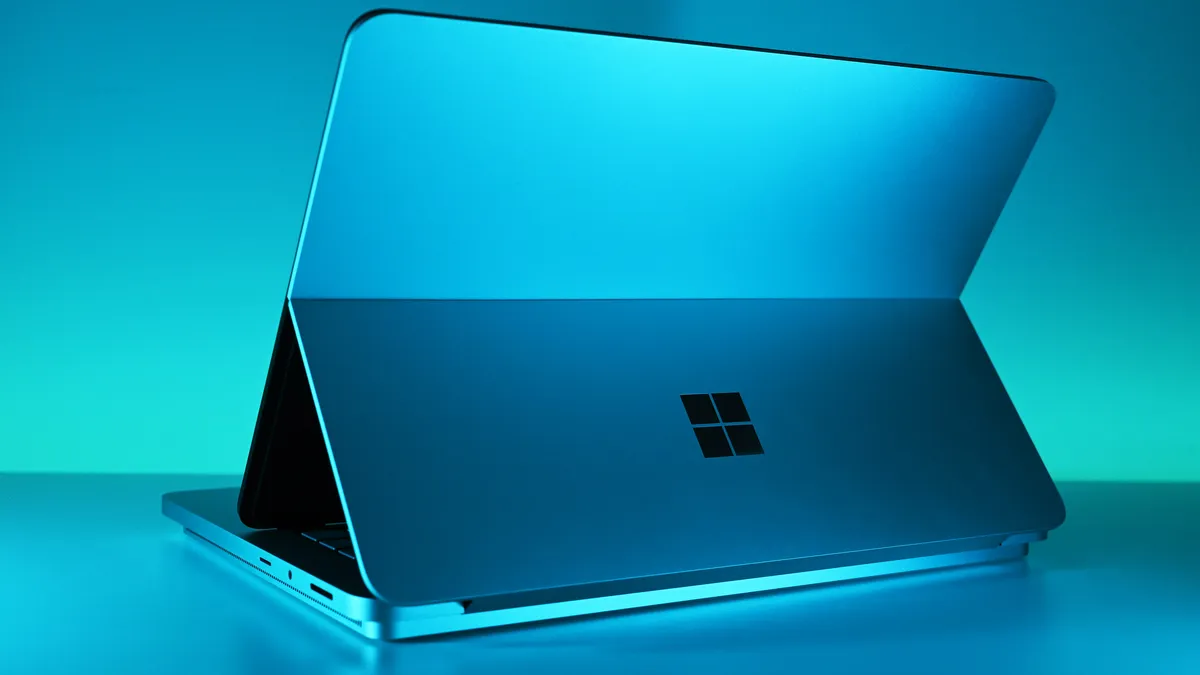
Even Microsoft has tried different approaches to having a standalone or floating display that can attach to a keyboard. The Surface Book used a hinged design, while the Surface Laptop Studio kept everything attached but let the display float.
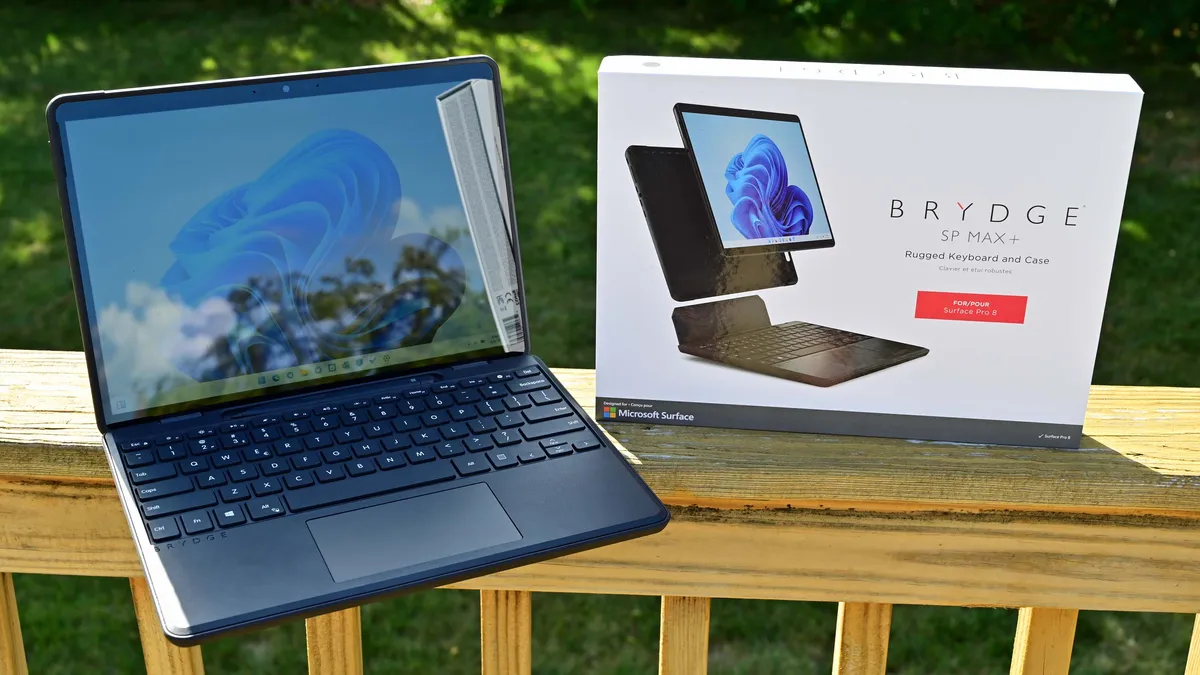
Brydge eventually switched to a different style of keyboard that was not prone to cracking screens. The Brydge SP Max+ was basically a case for your Surface Pro that could attach with a keyboard base through POGO pins.
When you’re designing a keyboard solution for a thin‑and‑light 2‑in‑1, adding bulk and a second set of pins wastes space.
But those pins were not the built-in pins of the Surface Pro. Using an SP Max+ added bulk to the Surface Pro and created redundancy. When you’re designing a keyboard solution for a thin‑and‑light 2‑in‑1, adding bulk and a second set of pins wastes space you don’t have and adds weight you don’t want.

The perfect Surface Pro accessory would require Microsoft to fully embrace the concept. The Surface Pro would need to be thinner and lighter, like a Surface Pro X, to reduce balance issues and top heaviness. The keyboard would need to support wired and wireless connections like the Surface Flex Keyboard.
I’d prefer a traditional clamshell laptop when everything is attached and a thin-and-light tablet when detached. But in 2026, the most elegant solution may be for Microsoft to create a keyboard similar to Apple’s Magic Keyboard.
That accessory mostly replicates the laptop experience while not having to combat the physics of clamps supporting an entire device. It also helps with balance, since some of the weight of the tablet rests over the keyboard.
Dexnor makes a Surface Pro keyboard that’s similar to Apple’s Magic Keyboard. It has backlit keys, a spot for the Surface Pen, and plays nicely with the built-in kickstand of the Surface Pro. It’s probably the closest thing there is to my dream Surface Pro accessory, but it’s a bulkier solution than I’d like and relies on Bluetooth.
Dexnor did a great job designing that keyboard. I just think the company ran into the limits of being a third-party accessory maker. Overcoming the last few gaps and issues would require a close partnership with Microsoft.
Maybe asking for a tablet that can convert to a laptop is too much because of physics and weight distribution. Perhaps it's possible, but just a niche product that's not worth the investment from Microsoft. But I miss the quirky days of Surface devices feeling different and filling niches.
I'd love to see an ultrathin Surface Pro that can attach to a proper laptop keyboard. To me, it's the natural evolution of the 2-in-1 form factor — a device that can adapt to different workflows without requiring people to get another PC.
But without the Brydge of the past or Microsoft willing to bridge the gap, it's a dream I'll probably never get.

Join us on Reddit at r/WindowsCentral to share your insights and discuss our latest news, reviews, and more.