


World of Warcraft is near and dear to my heart, as many of you will know. If you're reading this, it's probably near and dear to you, too, and I'd be interested in your thoughts on this.
I just reviewed World of Warcraft: Midnight, and my review score hinges largely on the bugs and polish issues. Whether it's Haranir missing voice lines and texture bugs, new talents not actually working, bugs with crafting, the Great Vault, and beyond ... Blizzard's self-imposed patch cadence is welcome for content pace, but it has come at the cost of polish.
I also wrote about polish in the game's story. WoW's overarching story has been incredibly controversial for a number of years now ... from convoluted time-travelling shenanigans to out-of-character behaviors, World of Warcraft has struggled to deliver the cohesive narrative that its historical lore is built on. And I'm generally forgiving of that, frankly. Building an ongoing story as complex as Warcraft on top of a live service is arguably among the most difficult jobs in the writing business today — but there's one aspect of WoW's story that I think represents a huge tactical mistake for a variety of reasons.
The death of the Horde and the Alliance
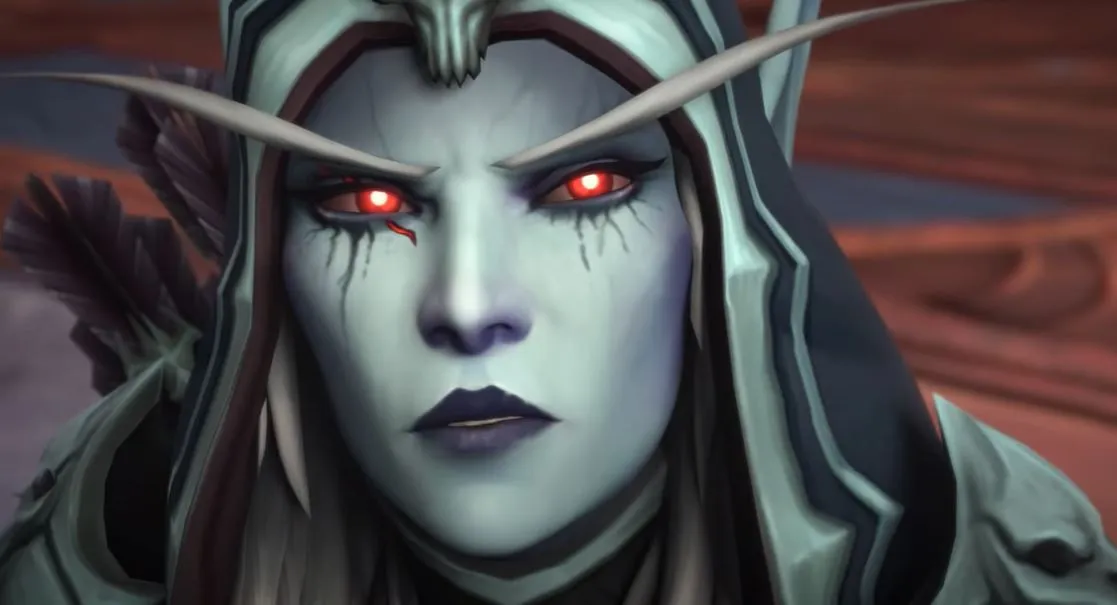
Blizzard seems to be intentionally erasing the Horde vs. Alliance faction conflict that has been the backbone of the entire franchise for decades.
Since Warcraft 1, various permutations of the Horde and Alliance have battled against and in collaboration with each other, battling to defend and control the planet Azeroth.
Alliance historically represented the classic Tolkien-esque heroic races: noble humans, druidic elves, hardy dwarves, and studious gnomes. The Horde had a darker edge; it comprised shamanic orcs, nomadic tauren, savage trolls, and twisted undead Forsaken. No matter your preferences, there was something for everyone. But WoW has become a little more homogenous over the years with regard to this.
In the name of gameplay, WoW has added tons of new races to the Horde and Alliance split, many with quite loose and arguably underdeveloped reasons for doing so. It's only gotten worse over time, too, as more and more races come in to feature as "content" for expansions. Blizzard hasn't been shy about putting gameplay before story expectations, and there's nothing inherently wrong with that — it's something that comes with being a live service game. But the core of the philosophy is undermining one of the game's most iconic and differentiating factors in my view.

When players choose their race in WoW, previously, you'd be treated to an entire story arc explaining your place in the world and giving context to your faction. Horde and Alliance players couldn't directly communicate previously, and could even kill each other on PvP-enabled servers. It created a lot of memorable moments for me, but I concede, as an aging player, I don't have a lot of time for being corpse camped in Blackrock Mountain anymore. The ability to play alongside opposing-faction players is convenient, and isn't exactly lore-breaking either if you consider all players are kind of "mercenaries" in essence. But the fact that this is largely ignored from a story perspective is aggressively undermining the sense of immersion WoW used to impart.
These days, WoW's new player pitch is incredibly basic and almost child-like in its simplicity. One zone for all races, one dumbed-down, 10-minute story, and then you're sent off to one of the modern expansions — all of which assume you're a veteran player.
Over the last few expansions, Blizzard has given up creating separate storylines for both the Horde and Alliance player base. In expansions past, we'd effectively get two main campaigns that offered different perspectives on the same story. It was a great reason to make alts for one reason, but it could also inject a lot of flavor when done well.
It's in these storylines where we'd get per-race lore and context, something that has been sorely lacking in recent expansions. We've seen odd quests with an orc here or a dwarf there, but the game has increasingly focused on "neutral" races as it de-emphasizes the Horde and Alliance player factions.

In Midnight, this came to a head for me when Silvermoon City, a Horde city, was being openly assaulted by Xal'atath and the Void. A gigantic void laser beam is blowing up the Sunwell. To whom have the Blood Elves turned for help after twenty years of formal allegiance with the Horde?
The Night Elves. After Blood Elven complicity in burning down their entire city, presumably killing thousands by the way.
Not the Forsaken, who are next door. Not the orcish army, who are supposedly the Horde's core. I get teleported to the newly-constructed Night Elf city, where with only a pinch of doubt immediately commit their armies to defending the Blood Elven Sunwell — with me as their ambassador. Me who quite happily participated in the in-game Warfronts at Darkshore, killing hundreds of Alliance NPCs and players, and merrily burning down Teldrassil, while also pledging allegiance to the then-Warchief Sylvanas.
Blizzard seems to be actively and intentionally de-emphasizing the Horde and Alliance in general, but for Horde players, that increasingly seems like de-emphasizing the Horde. It's easy to come up with conspiracy theories around this. Is Blizzard pushing the "prettier" races to make the game more appealing? WoW now has like 100 different types of "elf" players can pick from, for example. The sentient zombie-like Forsaken undead used to be core to the game's entire story. Now they're nowhere to be seen. Is it because they're seen as too violent and unapproachable? It seems wilful and intentional to avoid featuring the Forsaken here in any capacity, considering the Undercity is literally within walking distance of Silvermoon City. If there are story reasons for this, what's the explanation?
The problems from a story and immersion perspective present themselves pretty obviously. It's meant less content, less context, less flavor, and diminished immersion. But above all, I think it's harming the entire franchise's sense of belonging and community — which is a core pillar of why the game has remained so strong.
Killing Warcraft's sense of belonging
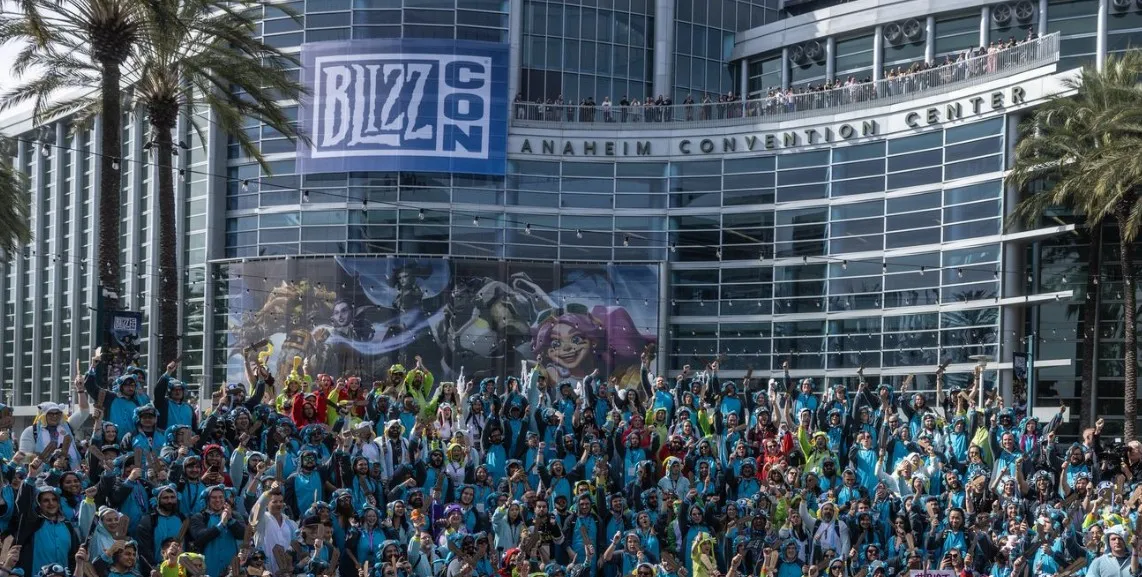
World of Warcraft's iconic Horde and Alliance have for decades formed a pillar of the game's community. Players historically identified with one faction or another, and Blizzard itself frequently leans into this with Horde and Alliance-branded merch, hype at BlizzCon and other events, the game's PvP systems ... the whole franchise has historically revolved around it.
The Horde and Alliance have frequently put their differences aside to battle a bigger threat, but to me, it's intensely unrealistic to assume that these sentient creatures would just forget all past transgressions, cultural differences, and values after just a few years of tepid peace. I can't help but feel like Blizzard knows this and is therefore doing it for gameplay or ideological reasons rather than more sensical, well-informed ones.
Blizzard created a bit of a furore recently when it seemed to imply that basing the franchise around "War" made it "unapproachable" and thus limited its marketability. It's hard to ignore these types of comments, even if playful, when you look at the way the game's writing has been heading in recent times.
From a gameplay perspective, it must be convenient to reduce friction between the factions. Even as a player, as I mentioned, it's great being able to easily group with friends from the other faction. But it needn't come at the cost of the faction conflict, but more importantly, factional identity erasure.
A big part of WoW, for me, is the sense of community the game has. It's an MMORPG after all. Blizzard seems to be increasingly falling into this trap of focusing on the mechanical, telemetrical aspects of the game and franchise — I can only assume some spreadsheet somewhere has identified factional conflict as a potential road bump for finding new players, as Blizzard eluded to in that previous interview.

I may be wrong, but I can't help but feel like faction identity is actually one of Warcraft's biggest historical strengths. That sense of identity and belonging is how you retain players when they're not playing. I played Horde because they felt like the outcasts. I identified with that, and it felt healing to celebrate that within the safe context of a video game with other people who felt similarly on some level. It's not really as deep as some like to make it out to be — to me, it's just fun. Being a Forsaken rogue with a missing jaw and exposed bones, ganking Alliance players is as far removed from reality as it comes. In modern WoW, I feel weirdly more disconnected from my characters than ever, as their past behaviors are glossed over by the game's increasingly "safe" writing.
If it's about wanting to avoid real-world parallels, I would argue that virtual tribalism with elves and werewolves and fox people is a far healthier way for people to express themselves, as long as it remains in the spirit of fun and banter.
Turning WoW's races, factions, and characters into a homogenous sludge that all behave the same way, with the same values and morals, does a disservice to the game's story on one end — but also the game's wider, diverse community. People have a wide variety of perspectives and motivations for playing, and Blizzard has done a great job generally appealing to these varied playstyles. But one area that has suffered as a result, in my view, is around faction identity.
The passion and identity around the Horde and Alliance cannot be willed away as a result of a boardroom meeting. Many players have decades of tenure in this world. That's decades of history Blizzard's current game runners seem to be intent on downplaying, as quickly and sometimes haphazardly as possible. If Blizzard is doing this because they think it'll make the game more broadly appealing ... I think they're making a historical mistake. But hey, I could be wrong.
If you're a WoW player, I'm eager to hear what you think about it.

Join us on Reddit at r/WindowsCentral to share your insights and discuss our latest news, reviews, and more.

