


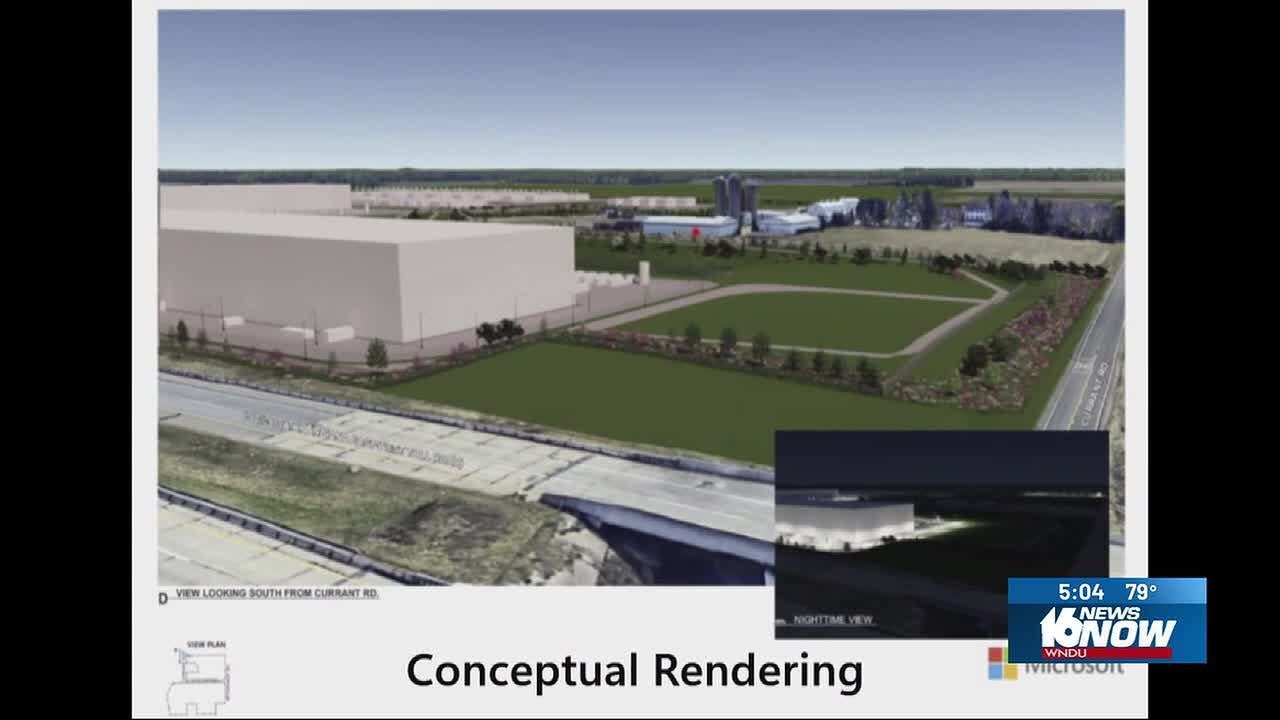
Microsoft is preparing to break ground near St. Joe Farms, south of Granger, Indiana, in St. Joseph County, where it will construct a new data center to meet surging demand for computing power fueled by artificial intelligence. While construction of the data center was approved last year and has already been zoned for development, residents of St. Joseph County have openly voiced their reservations about the project.
In response, Microsoft recently hosted an open house to address community concerns and provide more transparency about the development. The project will span 900 acres of land between Bittersweet Road and Currant Road, with the Indiana Toll Road forming its northern boundary (via WSBT).
However, many residents attended the open house carrying placards, staging a protest against the construction of the data center in their community. "I'm very much against everything that involves them being made and involves their existence," said James Dewitt, one Mishawaka resident.
"Big Tech" corporations like Amazon, Google, and Microsoft have poured massive investments into the generative AI landscape. Yet their efforts have run into a critical bottleneck: computing power, which is essential for training and scaling sophisticated models.
These companies are now channeling billions into building out advanced data centers to strengthen their cloud computing capacity to meet the demands of next-gen AI models. While the construction of these data centers may bring short-term job opportunities to the community, the long-term consequences appear far more concerning.
For context, I reported that Microsoft and Google's electricity consumption surpasses the power usage of over 100 countries in 2024. This means that the community within the data center's vicinity will have to spend more on their electricity bills, not forgetting the large amount of water required for cooling. You can also expect increased pollution, gentrification, and decreased access to water.
“I don't think there's going to be a financial benefit. I mean, AI takes jobs, and a good example is New Carlisle on Amazon,” lamented Todd Robertson, Mishawaka Resident. Robertson is voicing a critical concern riddling millions of professionals worldwide as AI becomes more prevalent and gains broad adoption.
WSBT took it upon itself to seek answers from Microsoft on major concerns and questions residents have about the data center, including how much water it would consume and how it would affect their utility bills:
We are still early in the design phase, what I can say is that this facility will use the most up-to-date technology available, using closed loop system. We are working with our utility provider to make sure that we are covering our fair share, and other rate payers will not be impacted by the fact that we're working with the community.
Jonathan Noble, Microsoft Senior Director of Infrastructure and Government Affairs
As for its effects on the job market, Microsoft AI CEO Mustafa Suleyman has predicted that AI would automate all white-collar jobs in the next 18 months, leaving professionals in the lurch. Microsoft co-founder Bill Gates seemingly echoed similar sentiments, citing that AI will replace humans for most things.
However, the philanthropic billionaire was a tad optimistic that energy experts, biologists, and coders would survive the AI revolution. His premise was simple — coding is too complex to be fully automated, and human intervention remains critical.
Microsoft has a "Community-First" approach to address data center concerns

At the beginning of the year, Microsoft President Brad Smith highlighted the company's efforts to build "Community-First" AI infrastructure, which will address some of the issues raised by concerned residents about the construction of these facilities in their backyards.
Microsoft claimed that its infrastructure approach will compel the company to pay its way in a bid to ensure that it doesn't increase electricity prices for the community. It also plans to reduce its water use and promises to replenish more water than it uses. Additionally, it plans to create jobs for locals and strengthen the community by investing in local AI training and non-profits.
Elsewhere, Microsoft's $1 billion data center in Kenya has seemingly been put on hold after the government failed to commit to paying for the annual capacity Microsoft had requested to run Azure in the region. President William Ruto indicated that the project's power requirements would need to "switch off half the country" to keep the facility running.

Join us on Reddit at r/WindowsCentral to share your insights and discuss our latest news, reviews, and more.

