


Xbox Game Pass is always a hot topic. You either love it, hate it, or maybe you’re even jealous of it(?) I quite like it, although perhaps I’ve been brainwashed by services like Spotify and Netflix into not owning my content anymore. I joke. Kind of.
Anyway, Game Pass is good, and I still buy games if I enjoy them enough. As someone who is technically Gen Z (by a fraction of a hair), I suppose I have at least a little authority to talk about this newly conducted study claiming “62% of whom no longer purchase full price games,” and frankly, I’m not surprised.
For those unaware (as was I), Gen Z was born between 1997 and 2012. But, before I dive into why I’m not surprised by the stats, let me first break down the study published by IGN and Dentsu: “Generations in Play: 2026 Audience Insights Report.”
While the report surveyed multiple generations, it did focus on younger audiences and how Gen Z in particular engages with entertainment, subscriptions, and gaming habits. One of the biggest findings claims that 62% of respondents no longer purchase full-price games, with audiences increasingly shifting away from ownership and instead rotating through whatever they’re currently playing.
Alongside this, the report describes subscription services as more of a “discovery engine,” with younger audiences, particularly Gen Z, appearing far more comfortable with the idea of subscription-based entertainment compared to older generations such as Gen X.

The report repeatedly frames Gen Z as a generation built around algorithms, feeds, instant discovery, and rotating through content rather than permanently owning it, something I'm guilty of myself.
And when I think more about it, it’s no wonder Gen Z is gravitating more toward subscription services. Everything is getting more expensive, and sometimes it genuinely feels like a deliberate attempt to bleed our wallets dry and keep us living paycheck to paycheck.
Still, services like Game Pass fit neatly into what younger audiences already know from platforms like Spotify and Netflix, both of which are built around streaming content rather than actually owning it. Whether people like it or not, that’s clearly become a practice that younger generations, and even older ones too, are getting increasingly comfortable with.
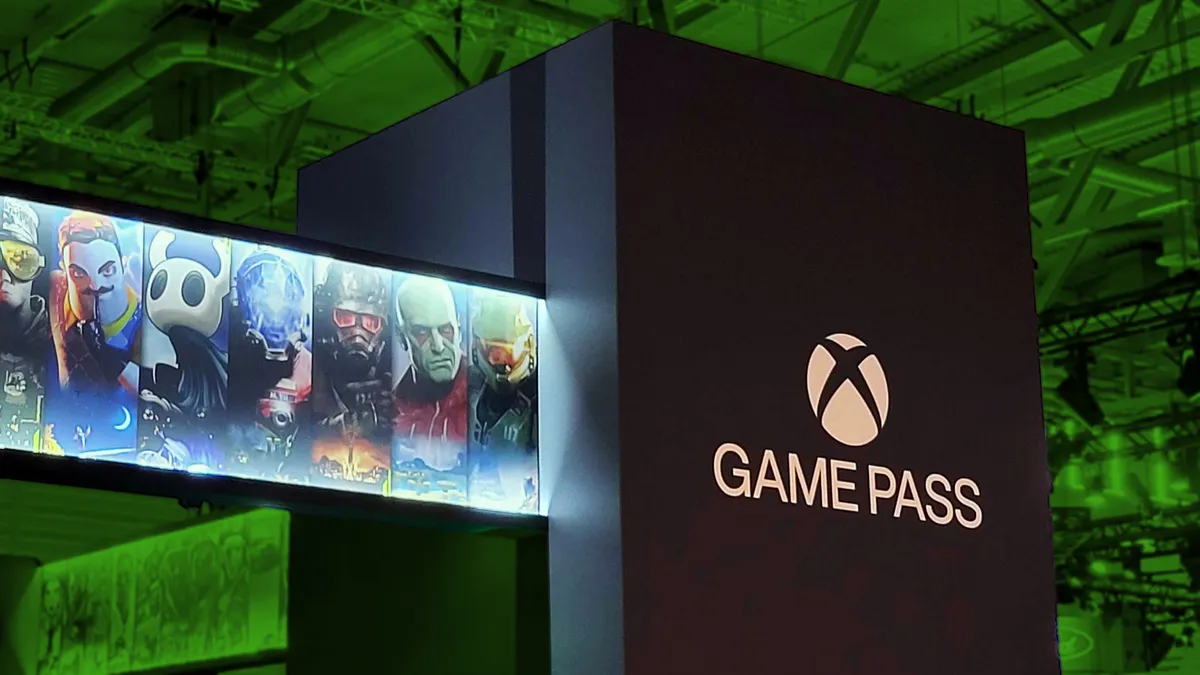
Back to gaming, though, and I'm constantly hearing fears that games will jump to $80 with Grand Theft Auto 6 potentially setting a dangerous standard. Even now, $70 already feels excessive for certain titles, especially when there’s no guarantee you’ll actually enjoy what you bought.
Fortunately, indie games are often the exception here. They’re usually cheaper, easier to take a chance on, and regularly explode in popularity thanks to content creators, livestreams, and short-form content across platforms like TikTok and YouTube.
Now, with all of this said, it does beg the question: Is Xbox Game Pass actually the answer? We know the service exists in this strange space alongside other subscription platforms, yet it has struggled to fully catch on and meet the expectations Microsoft originally had for it.
People often say it’s too late for Xbox, but honestly, I don’t think it is. Xbox has an uphill battle for sure, but recent leadership changes, and Asha Sharma taking over as CEO, have certainly shifted perception around the brand online; however, her uphill battle with Microsoft will be the real test.
Maybe Microsoft was early to an industry shift that the rest is only now beginning to fully understand.
The report itself even states that “Subscriptions are no longer expressions of loyalty,” highlighting how audiences frequently subscribe and unsubscribe from services like Netflix purely for a single show. Realistically, it’s not much of a stretch to imagine people eventually treating Game Pass the exact same way, as I imagine some already do.
If Xbox can consistently provide enough value, whether through major first-party launches, indie discovery, or benefits of some kind, then maybe Microsoft was early to an industry shift that the rest is only now beginning to fully understand.
I may or may not sound like I’m waffling a little here, but it’s all to drive one point home: Xbox has spent years building Game Pass around a shift in consumer behavior that is only now becoming increasingly more obvious.
So, is Game Pass the answer? Honestly, I think it is for many people. Is it the answer for everyone? No, of course not. Nothing ever is.
But if audiences are becoming more comfortable with subscriptions, rotating through content instead of owning it, and avoiding increasingly expensive upfront purchases, then maybe Microsoft wasn’t completely wrong after all. Maybe Xbox really was just early.

Join us on Reddit at r/WindowsCentral to share your insights and discuss our latest news, reviews, and more.

