


At this point, it's not surprising to see outrageous prices tacked onto PC memory. It's been several months now since DDR5 RAM became unaffordable for the vast majority of buyers, and older DDR4 RAM, suddenly a lot more popular as DDR5 stock dried up, has also seen some significant price increases.
Unfortunately, solid-state and hard-disk drives are already falling victim to similar supply chain shortages and price hikes.
While the memory crisis is driven by a lack of DRAM chips, the storage crisis is caused by a shortage of NAND chips. These components are the foundation of modern consumer memory and storage, respectively, but they're also the building blocks for the hardware that's powering the AI revolution.
Yes, both DRAM and NAND shortages are largely fueled by AI firms buying up supply years in advance — much of it before it's been produced — in order to build specialized AI supercomputers that make up modern datacenters.
A recent report suggests that AI datacenters will consume roughly 70% of all high-end DRAM production in 2026. This squeeze drove up memory prices by about 50% in the last quarter of 2025, and TrendForce believes prices will rise by a further 70% in 2026.
If you didn't already buy some DDR5 RAM, chances are you're not going to anytime soon unless money is no object. With RAM already forcing PC manufacturers to raise prices of laptops and other consumer devices, expert analysts are predicting an "extremely volatile" year for PC sales that could see a shrink of up to 9%.
Buy a new SSD now, or wait who knows how long for prices to come down
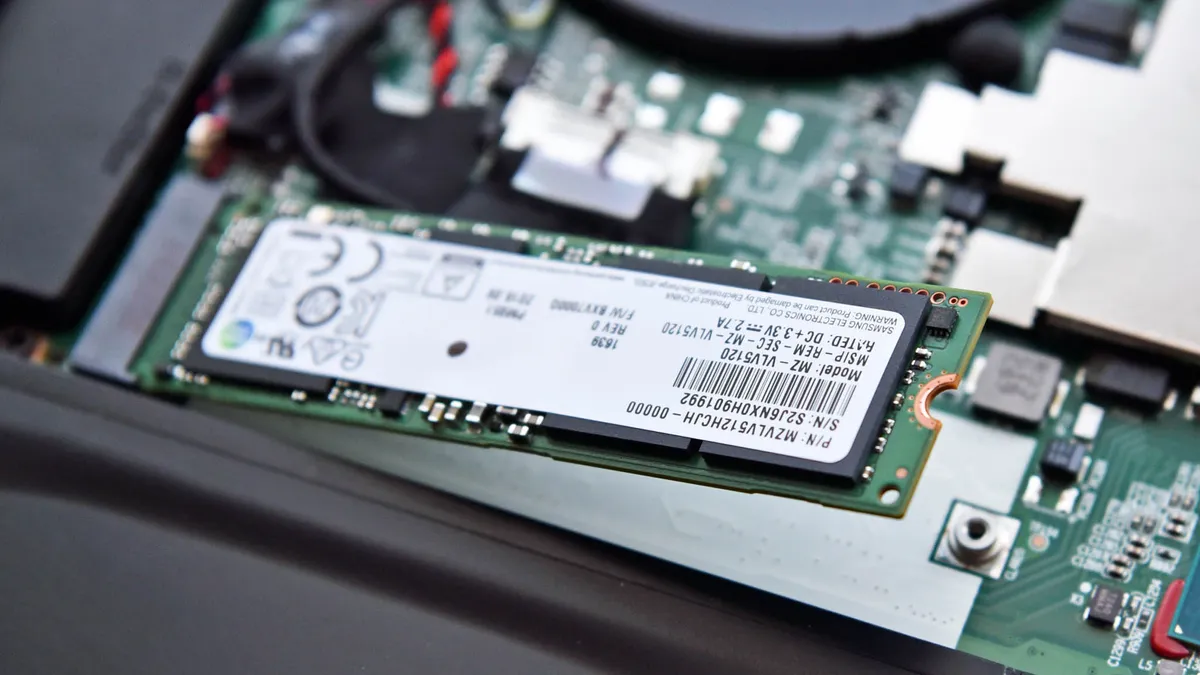
I know that a lot of PC enthusiasts are wishing they'd invested in DDR5 RAM before the shortage really got bad. With SSD prices threatening to join RAM in the stratosphere, I thought it might be a good idea to remind you that there's still time to buff your storage setup before things really get out of hand.
As it currently stands, high-performance SSDs in large capacities are already too far gone for many buyers.
Last week, our friends at Tom's Hardware published findings demonstrating that 8TB NVMe SSDs now cost as much or more than the same weight in gold. Drives with half as much capacity will soon reach the same milestone if prices keep climbing, and there's no reason to think that they won't.
Micron recently announced it was ending its run of Crucial consumer storage, delivering a massive blow to the industry. It might not be the last, because there's a lot more money to be made selling to AI firms.
That's the sick part of all of this. We really don't know when the hardware shortages will finish, nor do we know in what manner they'll come to an end. Will it be an AI bubble popping? Will it be manufacturers ramping up NAND and DRAM production quicker than expected? No one really knows.
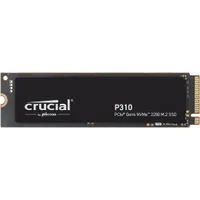
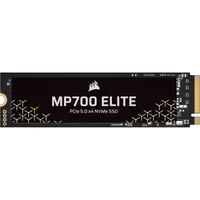
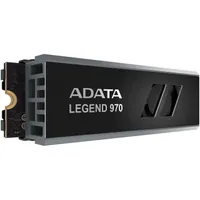
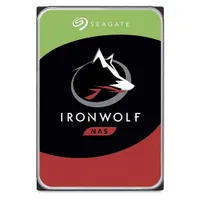
I wish I'd stocked up on memory to get me through the lean years; alas, I'm not making the same mistake with storage. To help you save some money, I found some of the best prices still available per gigabyte on M.2 and SATA storage.
Storage prices are moving quickly, and I plan to update this list frequently.

Do you agree that storage is heading down the same route as memory? Do you see any way this it won't? Let us know in the comments section!

Follow Windows Central on Google News to keep our latest news, insights, and features at the top of your feeds!

