Last month, Microsoft unveiled a major plan for Windows 11 that will see the company fix up and improve the platform for everyone, focusing on pain points and criticisms around performance, stability, "enshittifcation", and more. It's a notable effort on Microsoft's part, one that was long overdue after it became clear that Windows 11's reputation was at an all-time low.
It is unfortunate that we're even in this position to begin with, but it is good that Microsoft is taking the time to address the platform's biggest issues.
Unfortunately, I'm worried that even a valiant effort to fix the platform isn't going to mend its reputation. If history is to repeat itself, "fixing" an operating system through bug fixes and new features isn't enough. In the eyes of many, bad versions of Windows have only been truly fixable in one way: Abandonment.
A tale as old as time
If you ask the internet, Windows 11 is the latest in a long line of bad versions of Windows. Of course, the most infamous hated version of Windows is likely Windows 8, followed closely by the "messy" Windows Vista. Both of those versions of Windows were monumental and innovative, pushing the platform forward in new ways, but were rejected by the vast majority.
In the case of Windows Vista, Microsoft made several under-the-hood advancements that were too forward-leaning for the hardware at the time, resulting in a poor experience for older PCs trying to upgrade from XP. There was also the overbearing User Account Control, which frustrated users and made opening programs or completing tasks more complicated than they needed to be.
It also didn't help that the platform launched in a generally buggy state, but Microsoft was committed to fixing the OS's biggest issues, and by Service Pack 2, Vista was great. It ran well, was very secure, and was arguably one of the prettier (and even recently imitated) versions of Windows to ever exist. Unfortunately, the damage was done, and even with the Service Packs that fixed it, people had already written Vista off.

So, how did Microsoft fix it? By releasing Windows 7. Everybody knows that Windows 7 is just Windows Vista with an upgraded Taskbar and toned-down UAC, but Windows 7 is heralded as one of, if not THE greatest version of Windows to ever exist. It really is just "Windows Vista 2", but the name change and feature adjustments were enough for people to forget all about Vista's shortcomings, and enjoy the OS for what it was already offering.
It's almost the exact same story with Windows 8, too. When Windows 8 was released in 2012, it was a major shift for the platform, featuring a radical new interface with the Start screen, and under the hood innovations that are still foundational to the OS we use today. This time, the OS was rejected for the user experience changes rather than the platform advancements, but it still resulted in the same: People refusing to upgrade to the new version of Windows.
Microsoft immediately got to work on fixing Windows 8, addressing people's biggest problems around the Start screen and Metro apps. It quickly followed up with a major update, called Windows 8.1, which added the ability to boot straight to the desktop. Subsequent updates eventually made it easier to switch between Metro apps and modern apps, along with many other quality-of-life improvements.

By Windows 8.1 Update 3, the Windows 8 platform was in a great place. But it just wasn't enough. Windows 8.1 failed to capture the market like Windows 7 did before it, even with the company addressing people's biggest complaints. In May 2014, Microsoft even announced that it would be bringing back the Start menu to Windows 8.1, but the company quickly realized that to truly fix the mess it was in, it would need to start fresh.
So in September 2014, Microsoft unveiled Windows 10, which would be the version of Windows to restore the Start menu and merge the "best of both worlds" from Windows 7 and Windows 8. Of course, Windows 10 was built on the foundations of Windows 8, and launched in an arguably much buggier state than Windows 8 did, but people were more than happy to put up with it because it was a new version of Windows, one that was perceived to address the previous version's biggest issues.
The same, but different
That leads us to today, with Windows 11. If Windows 10 is considered good by the majority, Windows 11 is the latest bad OS. At this point, Microsoft has committed to fixing Windows 11. It hasn't announced plans to pivot to a "Windows 12", but I can't help but wonder if that's a mistake. For as long as Windows 11 is the latest version on the market, from the damage that has already been done, it will always have haters, regardless of the improvements that are made.
It would be very easy for Microsoft to build these improvements and ship them as Windows 12 next year (and not in 2026), but the company clearly doesn't want to do that, even though that would be the easiest way of wiping the slate clean and starting fresh with a "good" version of the OS.
Unfortunately, this time around, things are much more complicated than that. Microsoft can't just wipe the slate clean like it could with previous bad versions, and the reason is simple: Windows 11 is popular. Even with its bad reputation, it is the dominant OS with the most users. Windows Vista and Windows 8 never surpassed their predecessors in usage numbers like Windows 11 has.
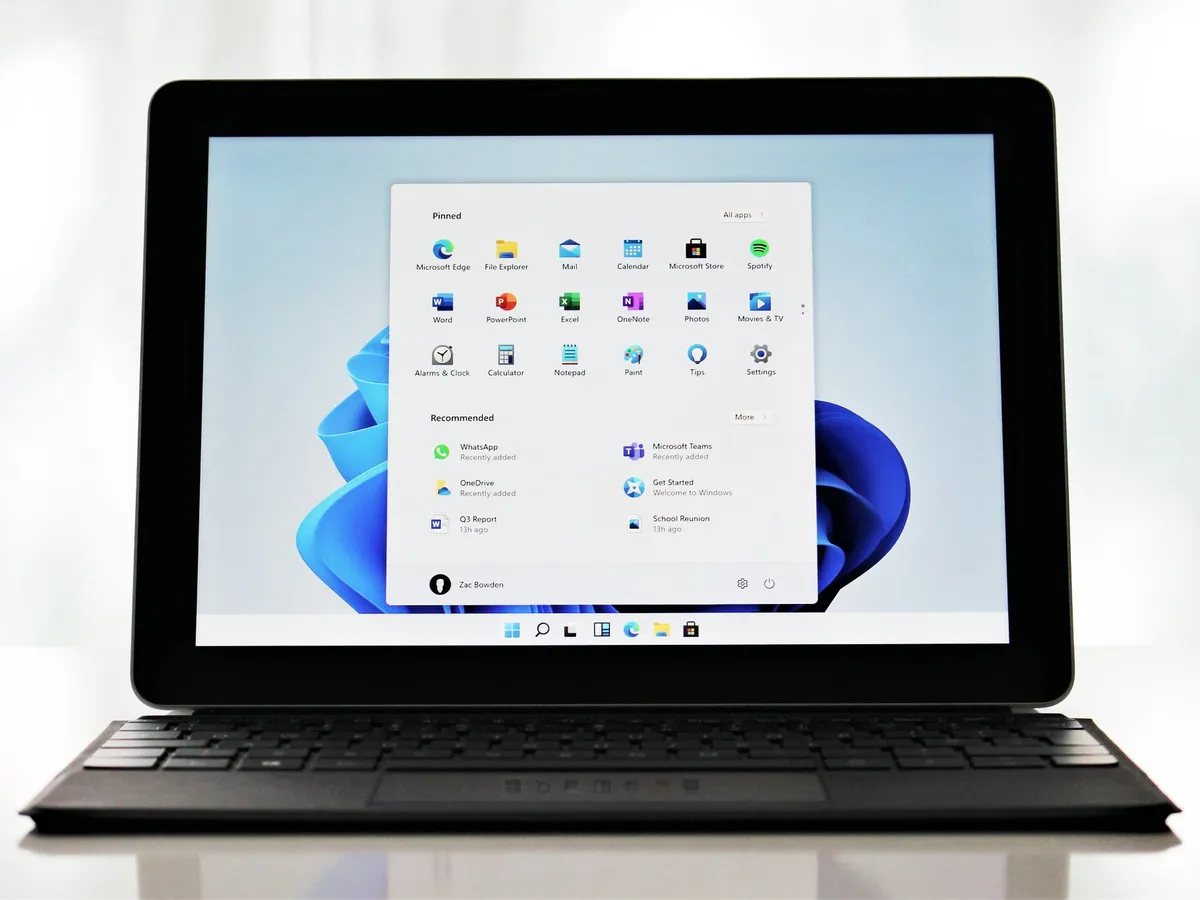
Naturally, that makes pivoting to a Windows 12 so soon tricky. Microsoft has spent the last half a decade getting the majority of its user base onto the same version of the OS. Now that it's finally there, it doesn't want to throw away that progress with a Windows 12. If Microsoft were to ship a new version of Windows next year, it would have to start the migration process all over again.
For whatever reason, Microsoft never forces new versions of Windows onto previous versions. If you're a Windows 11 user, you are free to keep using Windows 11 for the rest of that device's life. You may be eligible for Windows 12, but you're never forced to move to it unless you explicitly want to. It's likely that Microsoft isn't eager to fragment the user base again so quickly as a result.
If you're a Windows 11 user, you are free to keep using Windows 11 for the rest of that device's life. You may be eligible for Windows 12, but you're never forced to move to it unless you explicitly want to.
The other issue is that new versions of Windows are complicated. From a technical perspective, it's easy. Build some improvements and ship them under a new product version, and call it a day. The complicated part comes from marketing and partners, which both need to build narratives around a new version of Windows. OEMs like to time new hardware with new OS releases, but the timing may not be convenient for everyone.
It's also tricky for enterprises, which are notoriously bad at upgrading their fleets of computers to the latest version of Windows, especially if they have to pay for new licenses or hardware to get it.
To me, even with these problems, I think Windows 12 would be a more impactful moment of change than trying to fix up Windows 11. It signals to customers that the company is serious about taking Windows seriously again, and wiping the slate clean with Windows 11 is a swift and impactful signal to the doubters.
Even with fragmentation, a new version of Windows that promises to give users more control over updates, perform better on existing hardware, and addresses the biggest issues people have with Windows 11, I would expect people would be more willing to flock to it than stick with 11, so maybe it wouldn't take as long for Windows 12 to become the dominant OS.
I'd love to know what others think about this, too. Do you see value in sticking with Windows 11, or should Microsoft go all out and pivot to a Windows 12? Be sure to let us know in the comments.

Join us on Reddit at r/WindowsCentral to share your insights and discuss our latest news, reviews, and more.