The last 12 months have been an incredibly frustrating time for Windows fans. For the first time in a long while, it feels like Windows is suffering from a lack of focus from the people at the top.
Support for Windows 10 ended in October, and this year was the perfect time to strengthen Windows 11 as a viable replacement for millions of users. Instead, Microsoft spent most of it shoving the OS full of half-baked AI features, all while letting the quality bar slip and shipping new bugs and issues on an almost monthly cadence.
Everything Microsoft has done when it comes to Windows this year has eroded the platform's reputation in ways that I haven't seen since Windows 8. Today, it feels like people hate Windows 11 with a passion, much more so than they did when 2025 first started.
There are so many problems with Windows as a platform right now that it's hard to know where to begin.
AI obsession is hurting Windows

Of course, the issue that made headlines the most this year is AI, as Microsoft falls over itself trying to make Windows 11 a frontier platform for artificial intelligence. Unfortunately, this effort feels like it has been prioritized above everything else, including quality of life and overall platform stability.
Copilot has forced its way into almost every surface and intention on the platform. Heck, even Notepad now has a Copilot button, which is something literally nobody has ever asked for. Microsoft's AI intentions feel obsessive and forced, almost as if the company is just throwing everything at the wall to see what sticks.
Under the hood, Microsoft has been moving to make Windows 11 agentic. It unveiled the agentic workspace, along with a set of APIs that will allow AI developers to build tools that can automate workflows on your behalf. Sounds great on paper, until you read the fine print and discover that it comes with serious security implications and warnings.
You'd like to think that a feature with such serious security concerns wouldn't make it out of the lab, but because this is AI, Microsoft doesn't seem to mind. The feature even ships off by default, which tells you everything you need to know about how the company views this feature.
A large chunk of the AI features that were announced this year also aren't Copilot+ PC exclusive, which means most of them require an internet connection and your data sent to the cloud to be useful, which is another privacy concern to add to all the other privacy concerns on Windows 11.
In November, Windows president Pavan Davuluri mentioned that Windows would evolve into an agentic OS, sparking one of the biggest amounts of backlash I've seen around Windows this year. His post was so negatively received, he had to disable replies and issue a follow up statement reassuring customers that Windows would continue to innovate outside of AI too.
I want to stress that AI can be beneficial. I've always said that AI is best when it's invisible, which is why I'm so confused about Microsoft's approach to AI on Windows 11. It seems like Microsoft wants AI to be the selling point, but that's totally backwards. AI should be a helpful extra, not an all-encompassing, sole reason for the platform's existence.
Continuous Innovation? More like Continuous Irritation!
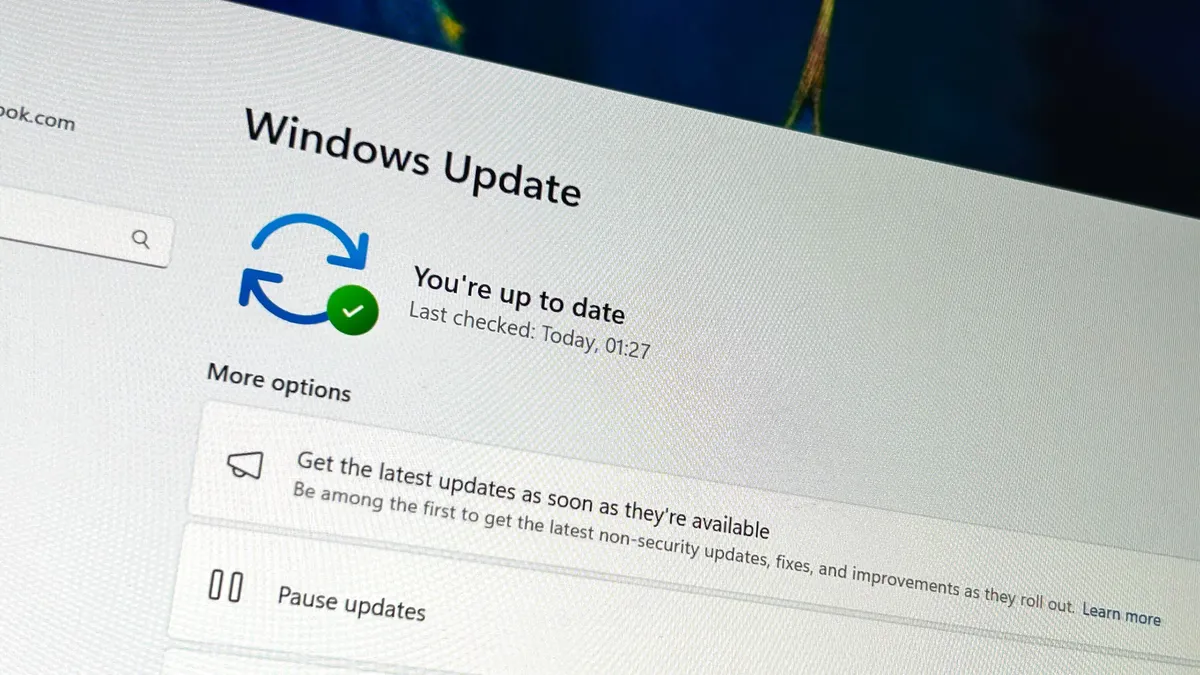
I think the biggest issue users are dealing with right now is Microsoft's "Continuous Innovation" strategy for Windows 11, which is designed to allow the company to build new features and get them out the door faster than ever before.
In the past, new Windows features were often timed with a significant OS update. Once a year, Windows would receive a big upgrade, which would introduce new features and improvements from the core up. This allowed Microsoft plenty of time to bake and fine-tune new features and changes, ironing out bugs before general availability.
Today, thanks to Continuous Innovation, Microsoft is able to ship new features whenever the company deems them ready. Every. Single. Month. This means there's now a constant churn of new features, with no breaks or respite. Users never get a chance to breathe.
On top of this is Microsoft's Controlled Feature Rollout (CFR) system, which makes it so some users don't see the new features even after installing the update that supposedly includes them, making it literally impossible to predict and prepare for when a new feature might actually arrive on your PC.
The new Windows 11 Start menu is a perfect example of this. It only began rolling out in October, but thanks to Controlled Feature Rollout, many users didn't get it right away after installing the October update. For those people, it randomly appeared a few days or weeks later, without any warning or prompt, letting the user know what happened and why.
In this scenario, going into your update history to see what changed is going to confuse you, because the update that includes the new Start menu was installed on your system weeks ago. You're only seeing the new features now because Microsoft allowed you to see it, which is insane and frustrating beyond belief.

As a result, no two Windows PCs are the same these days. Two identical systems, running the same build and update of Windows 11, might appear completely different feature-wise, which is confusing to your average user, and more than likely one of the reasons why Windows feels so much buggier these days. There are too many moving parts.
Continuous Innovation essentially boils down to allowing Microsoft to force new features onto you whenever it wants, because the company ties these new features to monthly security updates, which are essentially required if you want to use your computer safely on the internet.
But it's beyond frustrating when said features or changes randomly appear on your system without any warning, and even more frustrating when you can't disable or undo them. Users have to make do with Microsoft constantly moving the deck chairs, and people are getting tired.
I mean, Microsoft has even built a Windows Roadmap website designed to try and make it easier to see where new features are in their rollout. Except, the website is so confusing and frustrating to navigate, and digest, it's actually not very useful at all. That's how complicated the Windows update situation is right now.
Above all else, it renders the annual version update essentially irrelevant. Version 25H2, which shipped a couple of months back, includes no new features or changes over version 24H2, because Microsoft ships new features to both at the same time. They are the same version. Why even do this? Surely it makes more sense just to extend support for version 24H2?
A noticeable decline in quality

Unfortunately, Microsoft's ability to ship new features quickly appears to have also contributed to a noticeable decline in quality over the last year or two. It feels like many new features that actually ship are half-baked, and in some cases, outright break other things as they are introduced.
Every single week, there's a new headline about how a recent Microsoft update has broken something on Windows, with fixes for said bugs either coming a couple of weeks later or an entire month later, depending on the schedule. Rarely, if ever, does Microsoft pull an update that is causing bugs, though it has happened a couple of times.
I wouldn't be surprised if CFR is playing a part in this decline in quality. With the same version of Windows being able to present itself differently depending on what I can only describe as random factors, it may be just becoming harder to keep Windows stable when there are so many moving parts and variables at play.
Windows 11 today is a much more complex beast than previous versions of Windows have been. Microsoft has been obsessed with A/B testing for a long while, but CFR takes it to a whole other level, to the point where you literally can't guarantee the version of Windows 11 you're installing will be "feature complete" when you want it to be.
Some users have reported never getting the chance to test a particular feature before it's made generally available because of CFR. That's how detrimental the system is to the development and availability of new Windows features. As a real-life example of this, my main Windows 11 Insider PC is still stuck with the old Start menu, even though the new Start menu is now rolling out and generally available.

There's no built-in option in the OS to override this, meaning there's nothing I can do to get the new Start menu without relying on third-party tools to trick the system into letting me test it.
In some ways, CFR feels like a way for Microsoft to hide behind the fact that it knows the features it ships to production aren't always 100% ready, as it allows them to disable access to said features server-side if a problem arises.
There's also the issue of consistency, which continues to be a problem on Windows 11. The company has done well to attempt to address UI consistency, though there are still glaring issues in areas like the File Explorer. But what frustrates me most is the inconsistent use of its own native Windows UI framework in in-box apps and the OS shell.
Outlook is the built-in mail client on Windows 11, and it's genuinely the worst included OS email client I've ever used. It's a website that's slow to open, unreliable at sending notifications, and eats up a chunk of memory when in use. There's nothing optimized or delightful about the Outlook app on Windows 11.
Microsoft also just announced that it's bringing back the agenda view to the calendar flyout on the Taskbar, but it looks like that feature is built using web tech instead of Windows 11's native UI stack. That's frankly unacceptable, but this is the sort of thing Microsoft does on a frequent basis these days.
The competition is circling

Unfortunately for Microsoft, its competitors have been quietly capitalizing on Windows' downfall in the last year or so. Google has been working behind closed doors on Android PCs, which are expected to debut next year as a viable alternative to Windows in the low-end to mid-range PC space.
This is an area that Windows woefully struggled in in recent years. Windows 11 is just too big, bloated, and unoptimized to run well on low-end hardware, to the point where many schools and enterprises are switching to Chrome OS or even the iPad because Windows just sucks on these devices.
I'm still blown away by how quick Chrome OS is at both updating the system and factory resetting the system. Installing a system update on Chrome OS is as quick as restarting an app, taking less than a few seconds in most cases. On Windows 11, installing an update can take anywhere from a few minutes to hours, depending on how big the update is.
With Android PCs, Windows might finally have a real challenger in this low-end space. If Lenovo, Dell, HP, and the other top-name OEMs are on board to build Android PCs, I really don't see how Windows 11 in its current state will be able to compete. The Android system is just better optimized for these low-end devices, and Windows needs a real architectural slim down even to stand a chance.
It's not just Google coming for Microsoft's lunch either; Valve is interested in taking some of that sweet gamer market share from Windows. It's made its intentions very clear this year: SteamOS is the future of PC gaming, and it wants as many Windows users to make the switch as possible.
This couldn't have come at a worse time for Microsoft, given the backlash and frustration from users about Windows 11. Gamers are all but ready to abandon ship, and Valve is offering up a viable alternative on a plate. The Steam Machine is going to light a fire under Windows PC gaming.
Then you've got Apple, which is always slowly pecking away at Windows market share with the Mac. Since Apple Silicon, Mac has only gained market share, and its latest laptops are some of the best out there. These days, the only reason not to buy a Mac is if you need a laptop with a touch screen or 5G, or just don't like MacOS.
Now, Apple is rumored to be building a cheap MacBook that will ship sometime next year. This could be potentially devastating for Windows, because for a lot of people, the only reason they don't own a Mac is that they're too expensive. If Apple can ship a new MacBook for $600, that's going to be hard to say no to over any Windows laptop in the same price range.
It's not all bad

I don't want this article to be all doom and gloom, and it shouldn't be, because for all of Windows' faults, Microsoft has done some good things with the platform this year.
It finally committed to refocusing on small but important details and experiences in the OS. The company understands that Windows 11 currently feels incomplete in a lot of areas, likely because it is, and is addressing those key complaints. Things like Dark Mode are being more consistently applied across the OS now, which is an improvement I've been waiting a decade for.
The company is also adding back things like smooth animations when hovering over open app icons on the Taskbar, or the Agenda view in the Calendar flyout on the Taskbar (albeit with web tech). It's also introduced new features like the share drag tray, which makes sharing files super easy.
The new Start menu is also a significant improvement over the old one, with more icons on show, the ability to turn off Recommended ads and recent files, and the ability to show your apps list on the main home page.
Microsoft also introduced a number of improvements to the Windows BSOD and recovery options screen, which makes recovering a Windows system that has been taken offline due to a faulty update or driver much more straightforward and streamlined. It's a lot harder to take a PC offline today than it was a year ago.
For gamers, Windows 11 is better than ever. The Xbox app is being positioned as a hub for all of gaming on Windows, and is now capable of replacing the desktop interface for when you just want to navigate the system with a controller. The company has also promised even more optimizations to come in the following year.
While there is a lot to complain about, there's also quite a bit to like about Windows 11 this year. I just wish there were more good than bad.
Something needs to change
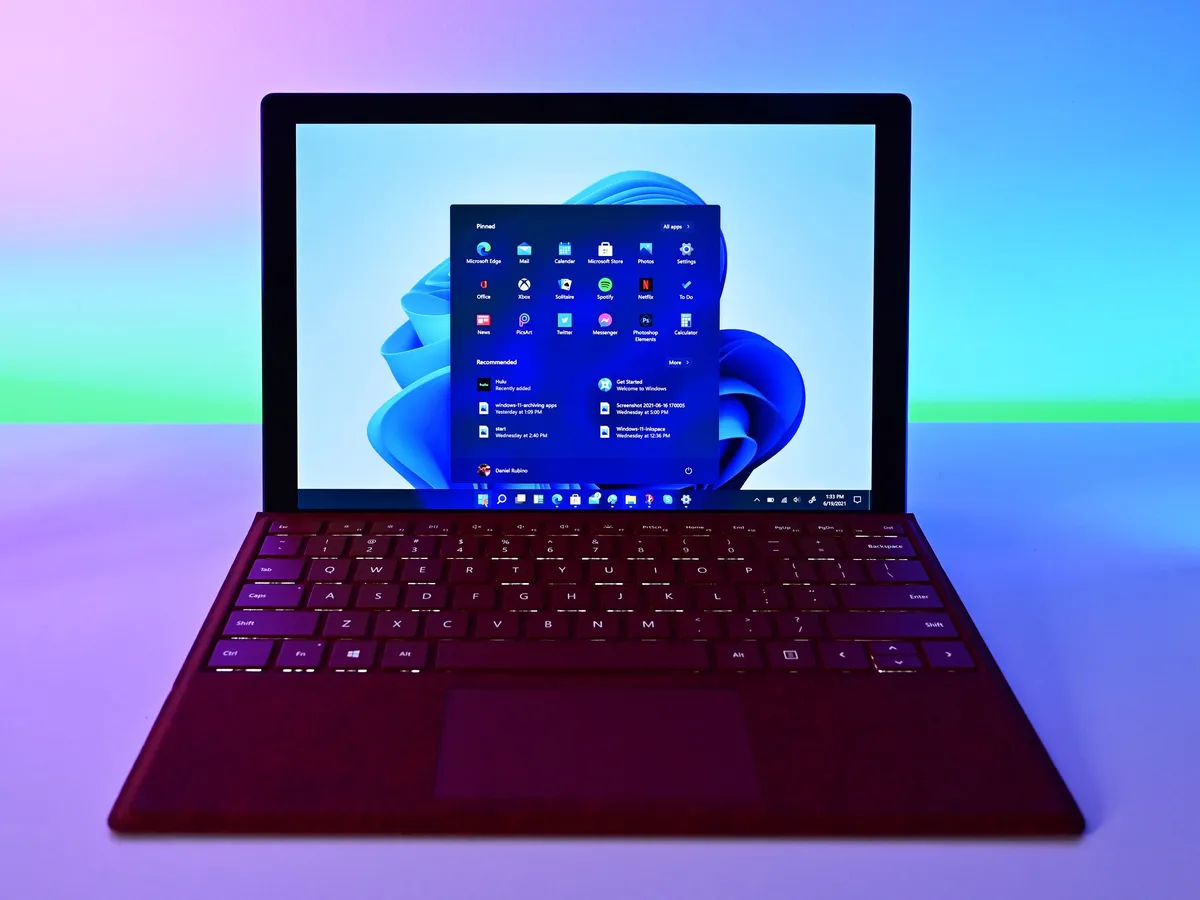
Ultimately, I think it's very clear that something needs to change. The public has decided that Windows 11 is a bad operating system, and Microsoft does need to address this.
If I were in charge, the very first thing I would do is throw out the Continuous Innovation strategy. There's simply no need to ship new features on a monthly cadence, users don't want it, and Microsoft would have an easier time developing and testing new features thoroughly without it.
Instead, I would introduce quarterly feature drops, with big new features coming once a year timed with the annual version update. Microsoft can ship smaller quality of life improvements, features, and updates every three months, and any big user experience changes or improvements once a year. Security updates can remain monthly.
This would allow Microsoft more time to test features as they are developed before shipping them, which would ideally improve the overall stability of the system. I'd also scrap the CFR system and ship new features to everyone as the updates are released.
I'd also love to see Microsoft tone things down when it comes to AI. Windows 11 should be AI capable, of course, but I really don't think it needs to be shoved into every UI surface possible. Notepad doesn't need an AI button, for goodness sake. AI is best when it's invisible, not when it's shoved in your face at every turn.
Given the current reputation of Windows 11, if I were in charge of Windows, I'd certainly be thinking about pivoting to Windows 12 in an attempt to give Windows a clean slate and a fresh start. As long as the company doesn't market it as an AI-first OS, pivoting to Windows 12 would be nothing but a good thing for Microsoft, especially if it's a free update for everyone that doesn't bump system requirements.
That doesn't mean Windows 12 should have no AI features. The fact of the matter is, AI is here to stay, and I'd be very interested to see what a desktop UX can be like if it's built from scratch with AI in mind. But it needs to be optional, and it cannot be the sole reason for Windows 12 to exist. AI should complement the platform, not become the platform.


Follow Windows Central on Google News to keep our latest news, insights, and features at the top of your feeds!